
Is a DIY Reading Nook the Calm Your Home Has Been Missing in 2026?
Scrolling endlessly has made quiet moments rare, which is why DIY reading nooks feel suddenly urgent again. A small corner designed for books is not about luxury, but intention. In 2026, people are reclaiming underused spaces to slow down, focus, and feel grounded at home. A well planned reading nook supports mental rest, creativity, and daily routines while adding warmth and purpose to any living space today more than ever.
Why does a reading nook change how we actually slow down?
A reading nook works because it shapes behavior. When a chair, light, and shelf exist together, the brain recognizes a cue to pause. This simple environment reduces digital distraction and encourages deeper attention. Many readers report longer reading sessions and better recall simply because the space signals calm rather than constant stimulation for many people.
Beyond focus, reading nooks support emotional wellbeing. Having a personal retreat builds ownership over rest, which matters in busy households. It can lower stress by offering predictability and comfort. Over time, this consistent refuge becomes associated with safety and pleasure, reinforcing healthy habits like daily reading and mindful breaks at home for everyone today too.
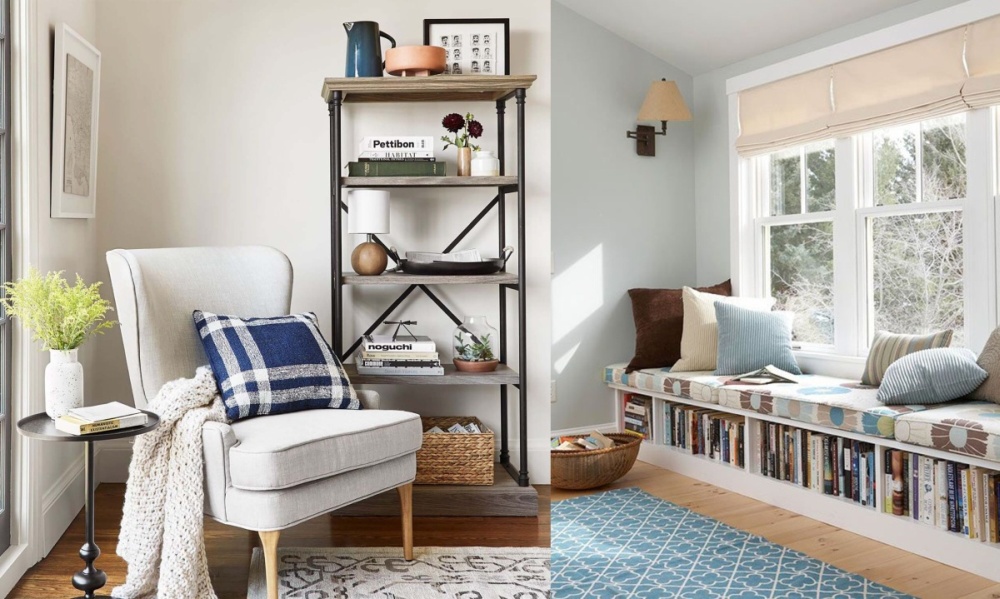
Can small homes really fit meaningful reading spaces?
Designing a nook is less about size and more about intention. Even small apartments can host one by rethinking corners, stair landings, or window alcoves. Natural light helps, but adjustable lamps work well at night. What matters is creating visual separation from busy zones without closing the space off completely for comfort and flow overall.
Comfort choices directly affect how often the nook gets used. Seating should support posture while inviting relaxation, whether that is a cushioned chair or built in bench. Soft textures, throws, and pillows increase warmth. Personal touches like favorite books or art help the space feel welcoming rather than staged and genuinely lived in over time.
Why is DIY the smartest way to build a reading nook now?
A DIY reading nook can also be budget friendly. Repurposing furniture, using wall mounted shelves, or layering affordable lighting keeps costs low. Many people enjoy the creative process itself, which adds satisfaction. Building something functional by hand fosters pride and connection to the home beyond simple decoration for families and renters alike in modern living.
There is also flexibility to evolve the nook over time. As reading tastes change, shelves can rotate, lighting can improve, and seating can be upgraded. This adaptability makes the nook future ready. Instead of a fixed renovation, it becomes a living project that grows with changing routines and life stages without major expense or stress.
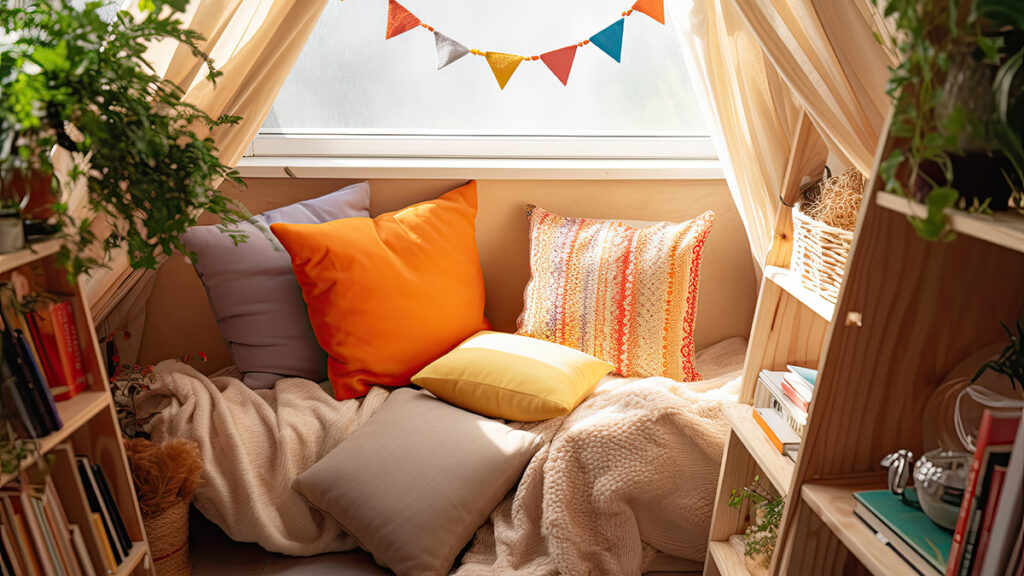
How do books, lighting, and storage influence daily use?
Storage plays a quiet but important role in reading nooks. Open shelving keeps books visible and inviting, increasing the chance they are picked up. Vertical storage saves floor space while adding character. When books are easy to reach and organized loosely, reading feels spontaneous rather than planned, which suits modern attention spans today very well.
Lighting choices influence mood and eye comfort. Warm light reduces strain during long sessions, while task lamps offer control. Layered lighting lets users shift from daytime reading to evening relaxation. Thoughtful lighting turns a simple corner into a flexible zone that works across seasons and daily schedules with ease and visual balance for everyone involved.
What difference does a reading nook make for families and routines?
Reading nooks make a noticeable difference for families. Children who see books integrated into daily spaces are more likely to read willingly. A shared nook can encourage quiet time and bonding. It subtly communicates that reading is valued, normal, and enjoyable rather than a task or obligation within everyday life at home for all ages.
For adults, a nook offers boundary setting without isolation. It creates permission to step away without leaving the room. This balance supports work from home lifestyles where separation is limited. A reading nook becomes a tool for resetting focus between tasks and protecting personal time in shared spaces and busy homes during modern daily life.
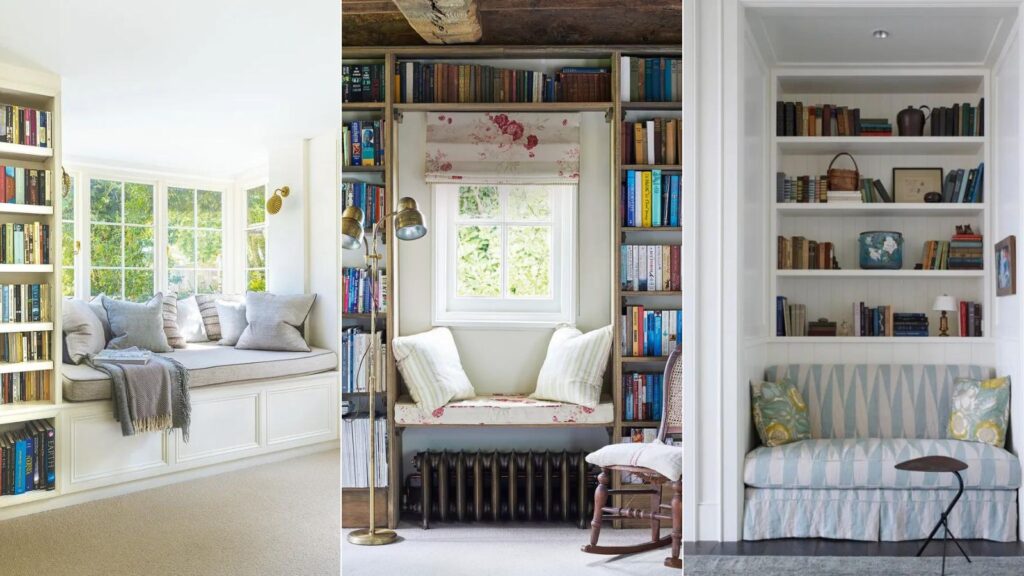
What should you consider before building your own nook?
Before starting, consider practical factors like noise, traffic flow, and storage needs. A nook placed near constant movement may struggle to stay peaceful. Thinking ahead prevents frustration later. Measuring space accurately and testing seating heights can improve comfort and usability from the beginning for different readers and routines over time, seasons, and changing household needs.
Materials and placement should align with lifestyle realities. Homes with pets or kids may need durable fabrics and rounded edges. Easy to clean surfaces keep the nook inviting. When design choices reflect real life use, the space remains functional and loved rather than fragile and avoided in the long term daily by everyone involved too.
A DIY reading nook is a small change with lasting impact. It supports focus, wellbeing, and meaningful routines in a distracted world. By shaping space intentionally, people invite reading back into everyday life. In 2026, this simple project feels relevant because it meets real needs for calm, creativity, and connection at home, proving thoughtful design can quietly improve how we live without demanding major budgets or renovations from anyone involved.