Sleep Became the New Status Symbol and Simba Arrived Right When Burnout Culture Finally Started Falling Apart
For years, being busy was treated like a personality trait. Hustle culture dominated everything from social media to work environments, and sleep often became the first thing people sacrificed in the name of productivity. But lately, the conversation has shifted dramatically. Exhaustion is no longer aspirational. People are starting to realize that poor sleep affects nearly every part of life, from focus and mood to energy, skin health, stress levels, and even relationships.
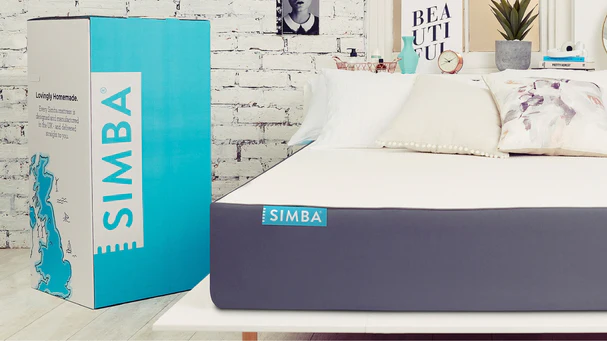
That cultural shift is exactly why brands like Simba have become increasingly relevant. Known primarily for its hybrid mattresses combining foam and spring technology, the UK-based sleep brand entered the market during a period when consumers were beginning to treat sleep as a genuine wellness priority rather than just a nightly routine.
And honestly, it reflects something bigger happening right now. People are no longer trying to “hack” exhaustion. They are trying to recover from it.
Sleep Is No Longer Just About Rest, It Is About Survival in Modern Life
Modern lifestyles are more mentally exhausting than many people realize. Constant notifications, hybrid work schedules, screen exposure, stress, and irregular routines have created a generation that feels permanently overstimulated. As a result, sleep quality has become one of the biggest wellness conversations of the last few years.
That is where Simba naturally fits into the discussion. The brand focuses heavily on sleep technology, including hybrid mattress construction designed to improve support, airflow, and comfort across different sleeping positions.
The growing interest in sleep products also reflects how consumers now think about health more holistically. People increasingly understand that energy, concentration, emotional regulation, and recovery are deeply connected to sleep quality.
This shift has changed purchasing behavior too. Mattresses used to be considered occasional household purchases people delayed for years. Now consumers are more willing to invest in products that directly affect daily wellbeing.
Because when sleep improves, almost everything else feels easier.
Mattress Shopping Quietly Became a Wellness Decision
Mattresses used to be chosen mainly based on price or convenience. Now consumers research sleep ergonomics, pressure relief, cooling systems, spinal alignment, and material technology with the same intensity people once reserved for fitness equipment or skincare.
Simba became well known partly because of its hybrid mattress approach, combining foam layers with patented spring systems designed to balance comfort and support.
This matters because modern consumers increasingly want products that adapt to real-life sleeping behavior rather than forcing sleepers into rigid comfort categories. Some people sleep hot, others move constantly during the night, while others need pressure relief due to back or shoulder discomfort.
Hybrid mattress systems gained popularity partly because they try to solve multiple issues simultaneously:
- Foam for contouring and pressure relief
- Springs for airflow and responsiveness
- Better temperature regulation
- Reduced “sinking” feeling compared to all-foam beds
- Support for different sleeping positions
Consumers are also more aware that sleep problems are rarely caused by one factor alone. Mattress quality, temperature, stress, screen use, and daily routines all work together.
That is why sleep products are increasingly marketed less like furniture and more like wellness tools.
The Sleep Industry Changed After People Started Working From Home
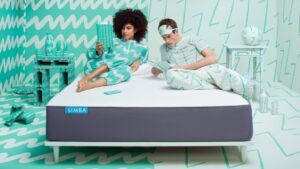
Remote and hybrid work culture transformed how people experience their homes. Bedrooms stopped being purely nighttime spaces and became part of larger wellness routines. People suddenly spent more time noticing their environment, comfort levels, and physical recovery.
This change created major growth across the sleep industry, including brands like Simba. Consumers began paying more attention to mattresses, pillows, bedding materials, and bedroom comfort in ways they often ignored before.
There is also a psychological element here. During stressful periods, people naturally look for ways to make home environments feel calmer and more restorative. Sleep products fit into that emotional need because they represent recovery, comfort, and stability.
Interestingly, the pandemic years also changed how people evaluate “luxury.” Expensive nights out became less important for many consumers than investing in everyday quality-of-life improvements like sleep, comfort, and home wellbeing.
And honestly, a better mattress affects daily life more consistently than many trend-based purchases ever could.
Cooling Technology Became One of the Biggest Sleep Priorities
One of the most common modern sleep complaints involves overheating. People increasingly struggle with temperature regulation during sleep due to stress, room conditions, climate changes, or mattress materials that trap heat.
That is why cooling systems became such a major focus for brands like Simba. The company highlights breathable materials, airflow-focused construction, and layered cooling technology as key parts of its sleep systems.
Temperature matters more than many people realize because even small increases in body heat can disrupt sleep cycles. Consumers are now much more educated about these factors than they were a decade ago.
This broader awareness reflects how sleep culture itself evolved. People now track sleep quality using apps, wearables, and wellness devices, making them more conscious of what affects recovery and rest.
The result is a market where mattress design feels increasingly science-driven instead of purely comfort-driven.
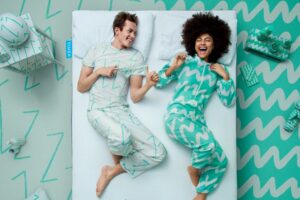
Consumers Want Sleep Products That Feel Personalized
Modern consumers rarely want one-size-fits-all wellness products anymore. Personalization has become central across industries, and sleep products are no exception.
Simba appeals to this demand partly through its layered mattress construction designed to suit multiple body types and sleeping styles.
At the same time, online reviews surrounding sleep brands show realistic mixed feedback, which is important because mattress comfort is deeply subjective. Some users praise support and cooling performance, while others may prefer firmer or softer sleeping surfaces depending on individual preference.
That subjectivity is why mattress shopping often requires consumers to consider:
- Sleeping position
- Body weight and support preference
- Heat retention tendencies
- Motion isolation needs
- Mattress height and firmness
- Trial periods and return policies
The growing popularity of online mattress brands also changed expectations around convenience. Trial periods, direct delivery, and simplified purchasing processes have become major selling points across the industry.
The Future of Wellness May Start With Better Sleep Instead of More Productivity
For years, wellness culture focused heavily on optimization: more workouts, more supplements, more routines, more productivity. But recently, the conversation feels different. Recovery is becoming more valued than constant performance.
That shift explains why brands like Simba resonate with modern consumers. Sleep is increasingly viewed as foundational rather than optional. Instead of treating exhaustion as normal, people are starting to see quality rest as essential for functioning well in everyday life.
And honestly, that cultural reset probably matters more than most people realize.
Because in a world where everyone feels overstimulated, overtired, and permanently online, a good night’s sleep quietly became one of the most valuable things people can actually buy.