Cold Therapy Went From Extreme Ritual to Everyday Wellness: The Recovery Culture Behind Polar-Recovery
Cold water immersion used to sit at the edge of wellness culture. It was something associated with elite athletes, extreme challenges, or viral “discipline” trends online. The idea of sitting in ice water on purpose felt intense, even unnecessary to most people.
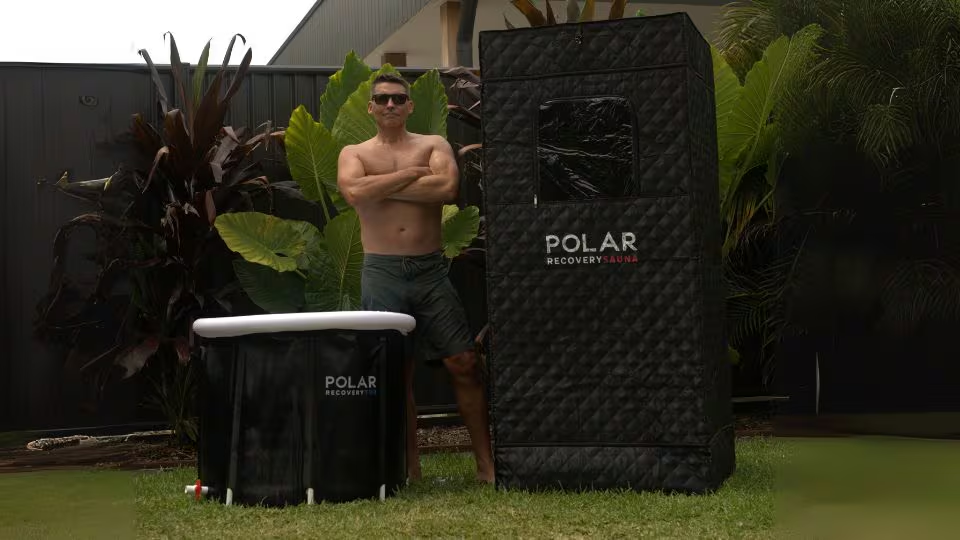
That perception has shifted quickly as recovery culture becomes a mainstream part of fitness and lifestyle wellness. Polar-Recovery sits directly in this movement, offering ice baths, portable cold plunge systems, and infrared sauna solutions designed to make recovery tools more accessible for everyday users. The brand positions itself around a simple idea: recovery should not be complicated or limited to professional athletes, but part of normal health routines at home.
According to company information, Polar-Recovery focuses on making cold therapy accessible through at-home ice baths and sauna systems, supported by fast delivery, modular setups, and wellness-focused product design aimed at physical and mental recovery.
What makes this category interesting is not just the equipment, but the growing belief that recovery itself is becoming a form of daily health maintenance, not an occasional practice.
Why cold therapy moved from athletes to everyday users
Cold exposure was once strongly associated with professional sports teams and extreme endurance training. It was used as a recovery tool after intense physical strain, not as a general wellness habit.
Polar-Recovery reflects the shift toward everyday use by offering portable ice bath systems designed for home installation, allowing users to access cold immersion without needing specialized facilities or medical setups.
This shift matters because it changes who recovery is for:
- From elite athletes → to general fitness users
- From gym facilities → to home environments
- From occasional use → to routine wellness practice
- From medical recovery → to preventative self-care
In practical terms, cold therapy is no longer about recovery after injury or competition. It is increasingly used as part of general wellness routines.
Why recovery became a performance metric in daily life
Modern wellness culture is no longer focused only on exercise intensity. Recovery has become equally important, especially as people balance work stress, fitness goals, and mental wellbeing.
Polar-Recovery builds around this idea by promoting ice baths and saunas as tools for stress relief, sleep support, and energy regulation, not just muscle recovery after workouts.
This reflects a broader shift in how people think about health:
- Energy levels matter as much as fitness
- Sleep quality is seen as performance-related
- Stress management is part of physical wellness
- Recovery is treated as proactive, not reactive
In this context, cold therapy becomes less of a challenge and more of a daily system reset. 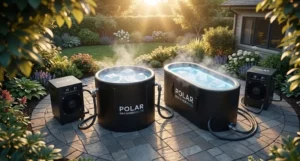
Why contrast therapy (hot and cold) is gaining attention
One of the most interesting trends in recovery culture is the combination of hot and cold therapy. Alternating between sauna heat and cold immersion is believed to stimulate circulation and improve recovery cycles.
Polar-Recovery offers both ice baths and infrared sauna systems, aligning with the growing interest in contrast therapy routines that alternate between temperature extremes as part of wellness practices.
This approach is popular because it is associated with:
- Improved circulation response
- Relaxation after physical stress
- Structured recovery routines
- A stronger sense of physical reset
It also reflects how wellness routines are becoming more structured and ritual-based, similar to training programs rather than casual habits.
Why at-home recovery systems are replacing spa dependency
In the past, recovery treatments like cold plunges or sauna sessions were typically limited to gyms, spas, or wellness centers. That created a barrier for consistency, since access depended on location and scheduling.
Polar-Recovery focuses on at-home recovery setups, including portable ice baths and plug-and-play sauna systems that can be used without permanent installation in many cases.
This shift enables:
- Daily or frequent recovery sessions at home
- Reduced dependency on external facilities
- More consistent wellness routines
- Flexible use based on personal schedules
It also reflects a broader consumer trend: wellness is moving into the home environment, just like fitness equipment and digital health tools.
Why community and mindset matter in cold therapy culture
Cold therapy is not just a physical practice—it has also become a mindset-driven wellness routine. Many users describe it as a discipline-building or mental resilience exercise, not just a recovery method.
Polar-Recovery emphasizes community identity and personal growth narratives, positioning cold therapy as part of a broader lifestyle focused on resilience, routine, and mental clarity.
This cultural layer adds:
- A sense of shared wellness identity
- Motivation through routine challenges
- Mental framing of discomfort as progress
- A structured approach to personal discipline
In this way, cold therapy becomes both physical recovery and psychological training. 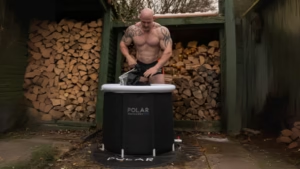
Why product accessibility changed recovery behavior
One of the biggest barriers to recovery practices in the past was cost and complexity. Ice baths required setup, maintenance, and space, while saunas were often expensive and fixed installations.
Polar-Recovery addresses this by offering portable and modular systems designed for easier setup and use, lowering the barrier to entry for cold and heat therapy at home.
This accessibility leads to:
- More frequent use of recovery tools
- Lower cost compared to spa visits over time
- Easier experimentation with wellness routines
- Increased adoption among non-athletes
When recovery becomes easier to access, it naturally becomes more consistent.
Why recovery culture is becoming part of lifestyle identity
Recovery is no longer just something people do after exercise. It has become part of how people define their lifestyle—especially in fitness, productivity, and mental wellness spaces.
Polar-Recovery sits within this shift by offering tools that support daily routines built around stress reduction, physical resilience, and structured self-care habits.
This reflects a larger change in wellness thinking:
- Health is now proactive, not reactive
- Recovery is part of daily routine design
- Lifestyle identity includes wellness habits
- Physical and mental performance are interconnected
Cold therapy is no longer a niche practice—it is becoming part of how people structure their day.
Recovery is becoming the new foundation of wellness
The rise of cold therapy reflects a broader shift in health culture. People are no longer focused only on training harder, but on recovering better. Performance is now defined by balance, not just intensity.
Polar-Recovery represents this transition by making ice baths and sauna systems more accessible, positioning recovery as something that can be built into everyday life rather than reserved for specialists or athletes.
And as wellness continues to evolve, the biggest change is not just how people train—but how seriously they now take the time between training sessions.