Invisible Clean Air You Only Notice When It’s Gone Becoming a Modern Health Essential: The Smart Indoor Air Philosophy Behind Blueair
Clean air used to be something people took for granted. You opened a window, vacuumed the floor, maybe lit a candle, and that was enough. But modern life has quietly changed indoor environments—sealed homes, pollution exposure, allergens, cooking particles, and wildfire smoke have made air quality something people now actively manage instead of ignore.
That is where Blueair sits in the global home wellness space. Founded in Sweden in 1996, Blueair is an air purification brand focused exclusively on indoor air solutions, using its signature HEPASilent™ technology to combine mechanical and electrostatic filtration for high airflow with low noise and energy use. The brand has become widely recognized for its minimalist Scandinavian design approach paired with strong particle removal performance, especially for dust, pollen, smoke, and everyday indoor pollutants.
What makes Blueair relevant today is not just the hardware—it is the shift in mindset: air is no longer invisible background, it is part of daily health management.
Why indoor air quality became a daily health concern, not a seasonal one
Air quality used to be something people only thought about during allergy season or wildfire events. Now it is a year-round concern, especially in urban environments where indoor air can be more polluted than outdoor air.
Blueair builds its product line around this reality, focusing on continuous filtration of fine particles like dust, smoke, pollen, and pet dander using high-efficiency systems designed for constant operation in home environments.
This matters because it reflects how daily living has changed:
- Homes are more sealed for energy efficiency
- Cooking, cleaning, and daily activity create indoor pollutants
- Allergens accumulate in enclosed environments
- Air circulation is no longer guaranteed naturally
Clean air is no longer assumed—it is maintained.
Why “silent performance” matters more than raw power
One of the biggest problems with early air purifiers was noise. If a device is too loud, people simply stop using it consistently, which defeats the purpose entirely.
Blueair is widely known for balancing strong airflow with low operational noise through its HEPASilent technology, allowing units to run quietly enough for bedrooms and living spaces while still actively cleaning air.
This design choice changes behavior in practical ways:
- Devices can run overnight without disturbing sleep
- Fans are less intrusive in shared living spaces
- Continuous operation becomes realistic, not occasional
- Comfort and performance work together instead of competing
Air purification becomes something that blends into life rather than interrupts it.
Why filtration systems are designed around everyday pollution, not just extreme cases
Air purifiers are often associated with extreme scenarios like wildfire smoke or severe allergies, but most of the time they are dealing with smaller, constant sources of pollution.
Blueair systems are designed to target fine particulate matter and common household irritants, using multi-stage filtration approaches that typically include particle filters and optional carbon layers for odors and gases.
This is important because everyday exposure matters:
- Cooking fumes and odors linger in enclosed kitchens
- Dust and pollen accumulate continuously
- Pet dander circulates through airflow systems
- Cleaning chemicals can affect indoor air quality
Instead of reacting to rare events, filtration becomes a background health habit.
Why design matters when appliances live in your living space
Air purifiers used to look like utility devices—bulky, industrial, and visually disruptive. But modern homes have pushed appliances into visible spaces, making aesthetics part of usability.
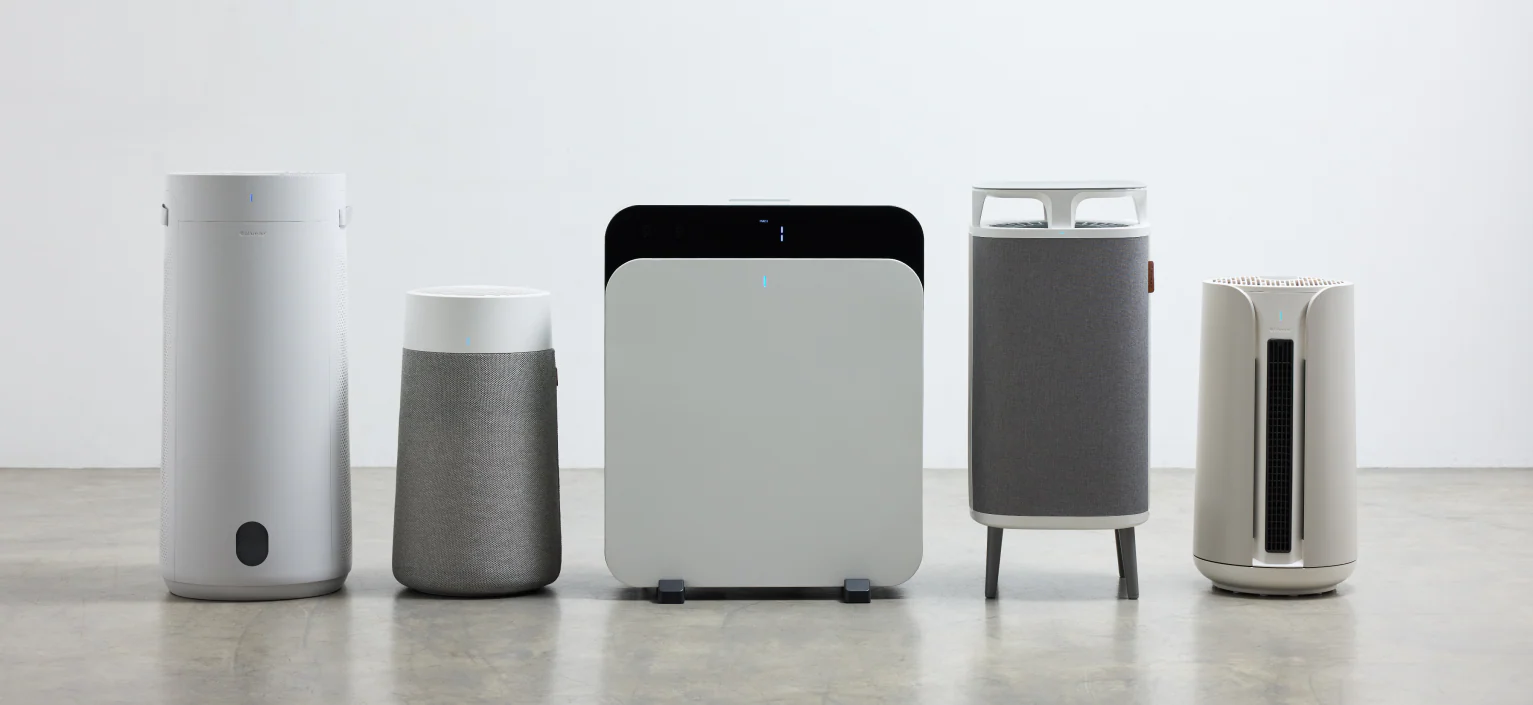
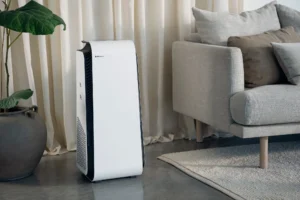
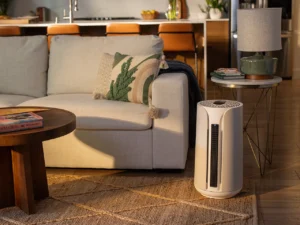
Blueair often emphasizes minimalist Scandinavian design, with compact, soft-edged units that can blend into bedrooms and living rooms without looking like medical equipment.
This shift affects adoption:
- People are more likely to keep devices in visible areas
- Devices double as part of interior design
- Less visual clutter improves long-term acceptance
- Function no longer requires sacrificing aesthetics
When a device fits the home visually, it is more likely to stay in use consistently.
Why smart features turned air quality into something you can track
Modern air purifiers are no longer passive machines—they are increasingly connected systems that provide feedback about what is happening in real time.
Blueair includes smart app integration in many of its models, allowing users to monitor air quality levels, adjust fan speeds, set schedules, and receive filter replacement alerts based on usage and particle load.
This introduces a new layer of awareness:
- Air quality becomes measurable, not invisible
- Users can correlate habits with air changes
- Automation reduces manual adjustment
- Maintenance becomes predictable instead of reactive
Clean air shifts from guesswork to data-driven comfort.
Why filter maintenance defines long-term performance more than features
Even the best air purifier depends heavily on filter condition. A neglected filter can reduce performance significantly, which makes maintenance a core part of the system.
Blueair uses replaceable filters designed for regular cycling depending on usage and environment, with replacement schedules guided by app tracking or indicator systems in newer models.
This matters because it influences real-world results:
- Consistent airflow depends on clean filters
- Performance drops if replacement cycles are ignored
- Different homes require different replacement frequency
- Maintenance habits determine long-term effectiveness
Air purification is not just buying a device—it is maintaining a system.
Why air purifiers became part of sleep and recovery environments
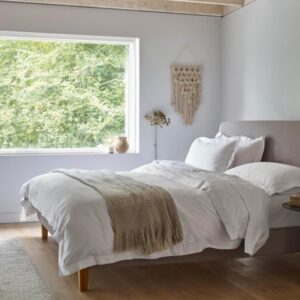
One of the strongest use cases for air purification today is the bedroom. People are increasingly focused on sleep quality, and air conditions play a bigger role than most realize.
Blueair devices are commonly used in sleeping spaces due to their quiet operation and consistent filtration, helping reduce airborne irritants that can affect breathing comfort overnight.
This creates subtle but noticeable effects:
- Reduced exposure to nighttime allergens
- More stable breathing conditions during sleep
- Lower disturbance from external pollution sources
- A more controlled sleeping environment
Air becomes part of sleep hygiene, not just room comfort.
Why modern homes treat air like water: something you manage, not ignore
The biggest shift Blueair represents is conceptual rather than technical. Air is no longer treated as an invisible constant—it is now something monitored, filtered, and optimized like other core home systems.
Blueair reflects this transition by turning air purification into a continuous, low-interruption background system designed for everyday living rather than occasional use.
And in that sense, clean air is no longer a luxury upgrade—it is becoming part of how modern homes function by default.