Switching Your Mattress in 2026? Here’s What You Really Need to Know About Simba Sleep Before You Commit
You’ve probably seen it already—some version of the “perfect mattress” promise popping up everywhere. Cooler sleep, better posture, instant comfort, zero compromise. But if you’re genuinely considering upgrading your bed this year, the real question isn’t what looks good online, it’s what actually holds up once you’re sleeping on it every night.
Simba Sleep has built a strong reputation in the hybrid mattress space, but reputation alone doesn’t mean it’s the right fit for you. So instead of repeating marketing lines, let’s break down what matters in 2026: comfort in real life, long-term value, and whether this “one-mattress-fits-most-people” approach actually works for different sleep styles.
The “Perfect Mattress” Myth: Why Simba Keeps Showing Up in Conversations
If you’ve been mattress shopping lately, you’ve likely noticed Simba Sleep sitting in that awkward middle ground—neither budget foam nor ultra-luxury memory foam. That positioning isn’t accidental. It’s designed to appeal to people who want balance: not too soft, not too firm, and not too complicated.
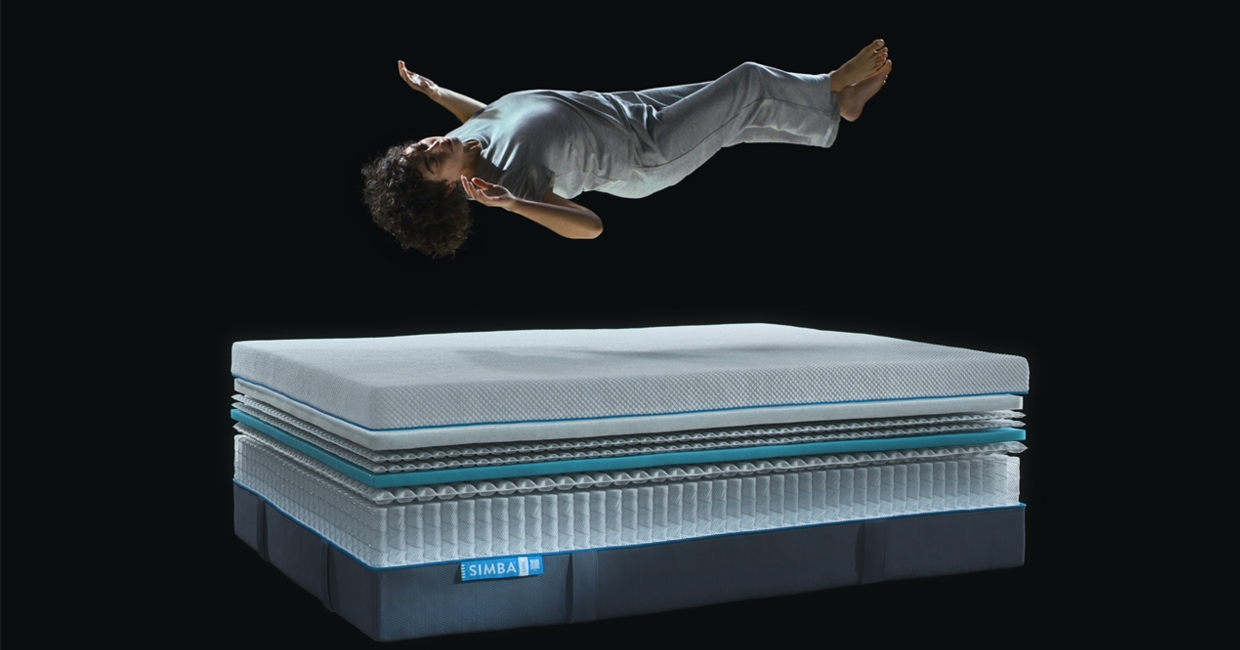
What makes Simba stand out is its hybrid structure using foam layers combined with tiny Aerocoil® micro-springs. Instead of letting you sink into dense foam, the mattress responds more dynamically to movement. In real terms, that means you don’t feel “stuck” when you change positions during the night.
The brand also focuses heavily on airflow and temperature control, which is where many mattresses fail. Graphite-infused foam and breathable structures aim to reduce overheating—something especially relevant if you live in a warm climate or naturally sleep hot.
What You’re Actually Buying: Inside the Simba Sleep Experience
Before deciding if Simba Sleep is “worth it,” it helps to understand what you’re really getting under the surface. This isn’t just a foam slab—it’s a layered system engineered for support, airflow, and responsiveness.
At the core, Simba mattresses use a combination of adaptive foam and micro-springs that distribute weight more evenly than traditional foam beds. This reduces pressure points, especially around the hips and shoulders, while still keeping your spine aligned. It’s one of the reasons many back and combination sleepers find it comfortable quickly.
Temperature regulation is another big selling point. Open-cell foam structures, breathable covers like Stratos®, and airflow channels help reduce heat build-up overnight. While it won’t feel like sleeping in air-conditioning, it does noticeably reduce that “trapped heat” feeling common in memory foam mattresses.
The Real Sleep Test: Comfort, Support, and the First Few Weeks
One of the most interesting things about Simba Sleep is how quickly people adapt to it. The medium-firm feel is consistent across most of their range, which means there’s less guesswork compared to brands with multiple firmness options.
Back sleepers tend to benefit the most, as the mattress supports the lower back without excessive sinking. Combination sleepers also tend to adjust well because the micro-springs add a subtle bounce that makes movement easier at night.
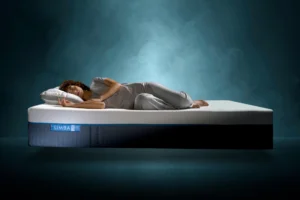
Side sleepers, however, may notice a trade-off. While pressure relief is good, the firmness level can feel slightly too structured if you prefer a plush, deeply cushioned surface. This is where personal preference really matters—Simba prioritizes alignment over softness.
Where Simba Sleep Gets Interesting (and Where It Doesn’t)
If you zoom out from the marketing, Simba Sleep has a very clear identity: engineered comfort with a “one-size-fits-most” philosophy. That’s both its strength and its limitation.
On the positive side, the hybrid construction delivers consistent support and better airflow than most all-foam competitors. Couples also benefit from decent motion control, meaning you’re less likely to feel every toss and turn on the other side of the bed.
On the downside, the premium pricing can feel hard to justify if you’re comparing it to simpler foam mattresses. There are also mixed long-term reports—while many users are happy early on, some note gradual softening over time. It’s not a dealbreaker, but it’s something to factor into a 10-year purchase decision.
The “Hidden” Part of the Purchase: Accessories That Change the Experience
Simba Sleep isn’t just selling mattresses—it’s building an entire sleep system. And this is where things get more interesting than most people expect.
The pillows, for example, are not all the same experience. The Hybrid™ Pillow is adjustable, allowing you to remove or add layers depending on your neck support needs. That flexibility makes it one of the more practical options if you’re unsure what loft you prefer.
Then there’s the temperature-focused bedding, like the Hybrid™ Duvet and Summer Hybrid™ Duvet. These use phase-change materials designed to regulate heat, which actually makes a noticeable difference for hot sleepers rather than just being a marketing claim.
The result is simple: the mattress performs better when it’s paired with the right accessories. Without them, you’re only seeing part of the system.
So… Should You Actually Buy Simba Sleep in 2026?
Here’s the honest way to think about it: Simba Sleep is not trying to be the softest mattress, the cheapest mattress, or the most luxurious mattress. It sits in a “balanced performance” category.
If you want a mattress that feels stable, supportive, and consistently cool enough for most nights, Simba does that very well. It’s especially strong for back sleepers, combination sleepers, and couples who want reduced motion disturbance.
But if your priority is ultra-soft cushioning, long-term durability at the luxury level, or deep sink-in comfort, then you might find better fits elsewhere.
The simplest way to frame it is this: Simba Sleep is designed for people who want fewer compromises—not perfect specialization.
And in 2026, that’s still a pretty relevant place to be.