Belleek: When Tableware Becomes a Quiet Form of Irish Art You Can Actually Live With
There are some objects in a home that are purely functional, and then there are objects that quietly carry history, craft, and identity in their shape. Tableware usually sits somewhere in between those two worlds, but every so often a brand pushes it closer to the second. That is exactly where Belleek lives.
Known globally for fine porcelain and handcrafted ceramics made in Northern Ireland, Belleek is one of those rare heritage brands that has managed to stay relevant without losing its old-world craftsmanship. Founded in the mid-19th century and still producing today, it is widely associated with delicate, almost translucent porcelain, often decorated with subtle natural motifs like shamrocks, flowers, and woven textures.
What makes it interesting today is not just its history, but how it fits into a modern lifestyle that is slowly rediscovering the value of objects made with time, care, and intention.
A Craft That Started as a Practical Solution and Became a Cultural Identity
The origin of Belleek is rooted in a very practical idea: using local natural resources and skilled craftsmanship to create a working industry in rural Ireland. Established in 1857 in County Fermanagh, the pottery was built using locally available materials like feldspar and clay, combined with skilled artisanship brought in from outside the region.
Over time, what began as a local manufacturing effort turned into something much more symbolic. The brand developed a signature style of fine, light porcelain that became instantly recognizable for its delicate finish and almost shell-like appearance. That transformation is important because it shows how industrial necessity evolved into artistic identity.
Today, that heritage still shapes how people view the brand. It is not just about owning tableware. It is about owning something that carries a story of place, craft, and continuity.
Why Handmade Still Matters in a Mass-Produced World
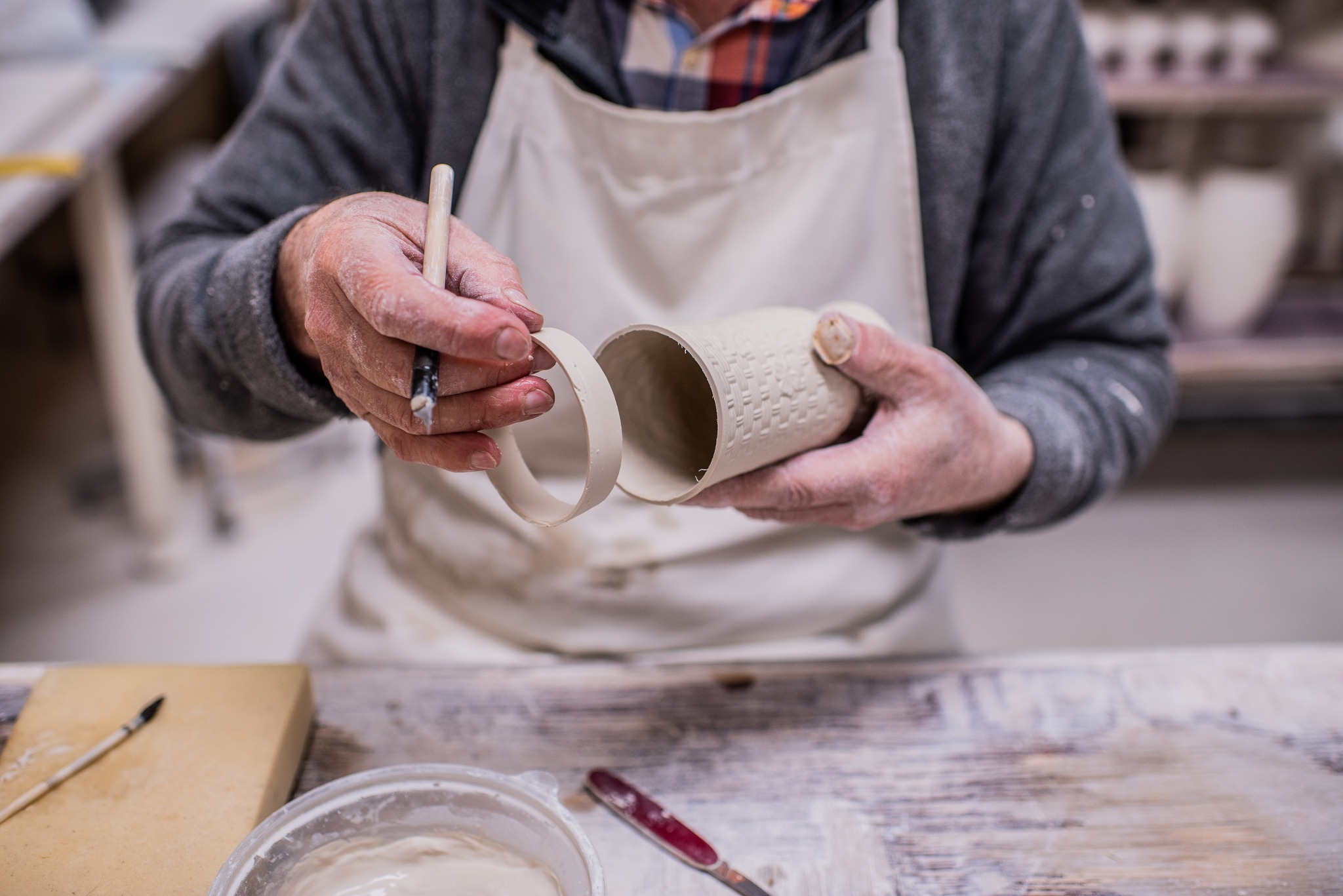
In a time when most household items are produced at scale, the idea that something passes through multiple hands before reaching the customer feels almost unusual. Yet that is exactly how Belleek operates, with traditional processes that involve detailed shaping, decorating, and finishing steps.
Each piece is not just molded and fired. It is handled, refined, inspected, and adjusted along the way. This kind of production is slower, but it creates a level of variation and character that mass manufacturing rarely produces.
That difference matters because people are increasingly tired of disposable homeware. Items that break quickly or feel generic do not fit well into a growing preference for long-lasting, meaningful purchases. Handmade ceramics, even when subtle, offer a sense of individuality that machine-perfect products often lack.
The Quiet Design Language of Natural Motifs and Soft Forms
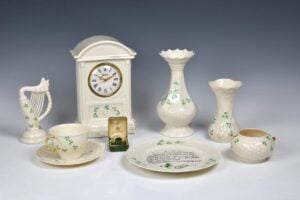
One of the most recognizable aspects of Belleek is its design language. Instead of bold patterns or loud colors, the brand leans heavily into natural inspiration. Leaves, flowers, woven basket textures, and shell-like forms appear repeatedly across collections.
This design approach is not accidental. It reflects a broader Irish aesthetic tradition that values subtlety, nature, and texture over visual intensity. The result is tableware that feels decorative but not overwhelming, making it suitable for both display and daily use.
In modern homes, this kind of design has a very specific appeal. People want interiors that feel calm rather than cluttered. Objects that blend into a space while still carrying visual interest tend to last longer in relevance, especially as home design trends move toward minimalism and natural tones.
When Tableware Becomes Something People Collect Instead of Replace
Unlike many everyday kitchen items, Belleek pieces are often collected, gifted, and passed down. That alone changes the way people interact with them. Instead of being replaced over time, they are preserved.
Part of this comes from the brand’s long-standing reputation and consistent design identity. Even older pieces remain recognizable, which gives them continuity across generations. That kind of consistency is rare in consumer goods, where product lines often change rapidly.
It also changes the emotional value of the objects themselves. A bowl or figurine is no longer just part of a kitchen set. It becomes something tied to memory, gifting moments, or family heritage. That emotional layer is often what turns functional objects into keepsakes.
The Balance Between Beauty and Practical Use in Everyday Homes
One of the most interesting tensions in ceramics like those from Belleek is whether they are meant to be used or displayed. The truth is, they often sit in both categories at once.
Many pieces are designed to be functional enough for dining or serving, yet visually refined enough to be kept on display. That dual purpose is increasingly important in modern homes where people want fewer items that serve multiple roles rather than separate decorative and practical objects.
This approach also aligns with changing consumer habits. Instead of buying purely for utility or purely for aesthetics, people are looking for items that can do both without compromise. That makes craftsmanship more valuable again, because it naturally supports durability and visual appeal at the same time.
Why Heritage Brands Are Finding New Relevance in Modern Interiors
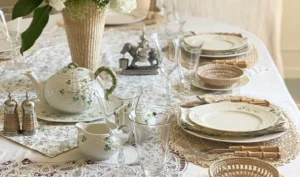
In a world filled with fast trends and constantly shifting aesthetics, heritage brands like Belleek offer something different: stability. They are not trying to reinvent themselves every season. Instead, they evolve slowly while maintaining a clear identity.
That stability is increasingly attractive to people designing homes that are meant to last, not just impress temporarily. When interiors are built around long-term choices rather than trend cycles, items with historical continuity become more appealing.
There is also a quiet cultural value here. Owning something made with traditional techniques connects people to craftsmanship that predates modern industrial production. It creates a sense of continuity in everyday life, even if it is just through a cup, plate, or decorative piece.
Why Belleek Still Feels Relevant in a Fast-Moving World
At first glance, porcelain tableware might seem disconnected from modern life. But the opposite is true. In a world that moves quickly, objects made slowly start to feel more meaningful.
Belleek remains relevant because it represents a kind of quiet resistance to disposability. It is not about nostalgia for its own sake. It is about valuing craftsmanship, continuity, and objects that are designed to stay in your life for years rather than months.
And in that sense, it is less about tableware and more about how people want their homes to feel: grounded, intentional, and connected to something that lasts longer than the moment.