Could DIY Home Remedies Be the Natural Boost Your Health Routine Needs in 2026?
In a world full of wellness trends and endless supplements, DIY home remedies are quietly making a comeback. People are increasingly looking for natural, accessible ways to manage minor health concerns, support immunity, and enhance daily wellbeing. Simple ingredients like honey, ginger, turmeric, and essential oils are being repurposed into teas, pastes, and balms, creating a more hands-on approach to self-care that is both practical and empowering. Beyond convenience, these remedies encourage awareness of what goes into our bodies and how lifestyle choices influence long-term health.
Why are DIY remedies suddenly more relevant for health-conscious people?
DIY remedies give people agency over their wellness. Rather than relying solely on store-bought products or prescriptions for minor ailments, individuals can combine knowledge, observation, and natural ingredients to address issues like colds, sore throats, or digestive discomfort. The process itself reinforces mindfulness: measuring, mixing, and observing outcomes builds connection with one’s body and awareness of its responses to natural treatments in daily routines.
Furthermore, the resurgence of home remedies ties into sustainability and reducing dependency on overpackaged goods. Using kitchen staples to create a soothing tea, a healing paste, or a cooling compress reduces waste while maintaining efficacy. This eco-conscious aspect makes DIY remedies doubly appealing, aligning wellness with environmental responsibility for people seeking balance on multiple fronts.
Can these remedies genuinely complement modern medicine?
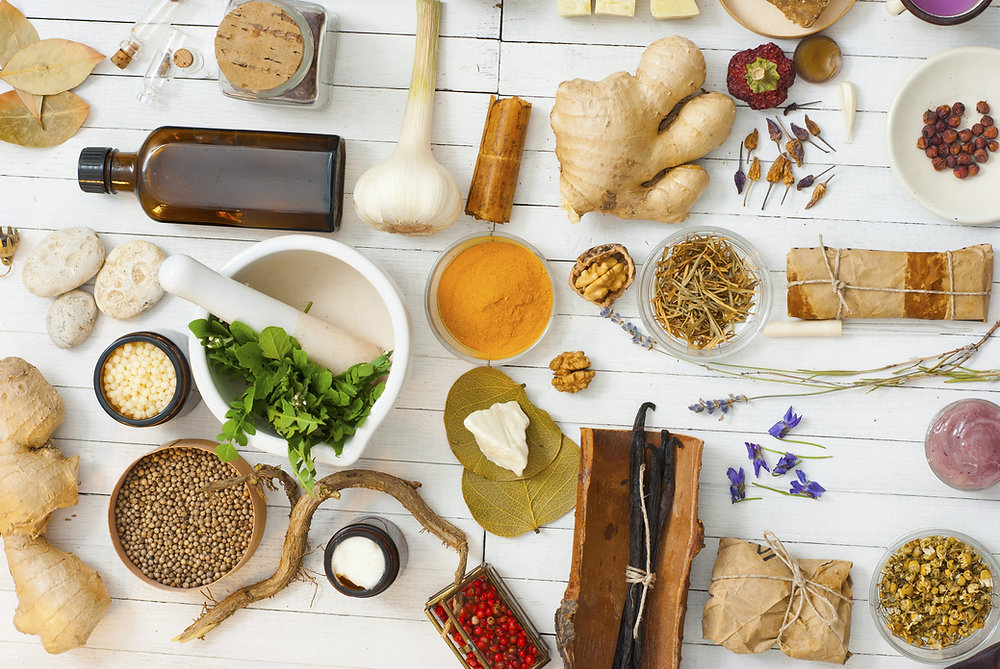
DIY home remedies are not replacements for professional care, but they work wonderfully alongside preventive health measures. For example, a ginger and honey tea can help ease a scratchy throat while staying hydrated, or a turmeric paste might support joint comfort when combined with routine exercise. The key is consistency and moderation, turning small, daily rituals into reliable support systems without introducing risk.
The appeal lies in simplicity. Unlike complex supplement regimens, most DIY remedies use items already in the kitchen. This reduces decision fatigue, saves money, and integrates seamlessly into daily routines. People report a sense of accomplishment and comfort knowing they are actively participating in their own health rather than waiting for external solutions.
How does DIY wellness encourage deeper lifestyle mindfulness?
Creating remedies encourages people to pay closer attention to their bodies. Recognizing when a lemon and honey drink soothes a mild cough or when chamomile tea eases tension strengthens the feedback loop between behavior and health. This mindfulness carries beyond remedies, influencing diet, hydration, and rest, and reinforcing an overall sense of well-being in a fast-paced lifestyle.
Moreover, the ritual itself can reduce stress. Measuring ingredients, stirring teas, or gently applying balms has a calming, almost meditative effect. These small acts of care encourage patience and reflection, qualities often missing in modern schedules. Over time, the emotional benefits of DIY remedies can complement the physical improvements, creating a holistic boost for people seeking balance in busy lives.
What are the pros of adopting DIY remedies for everyday ailments?
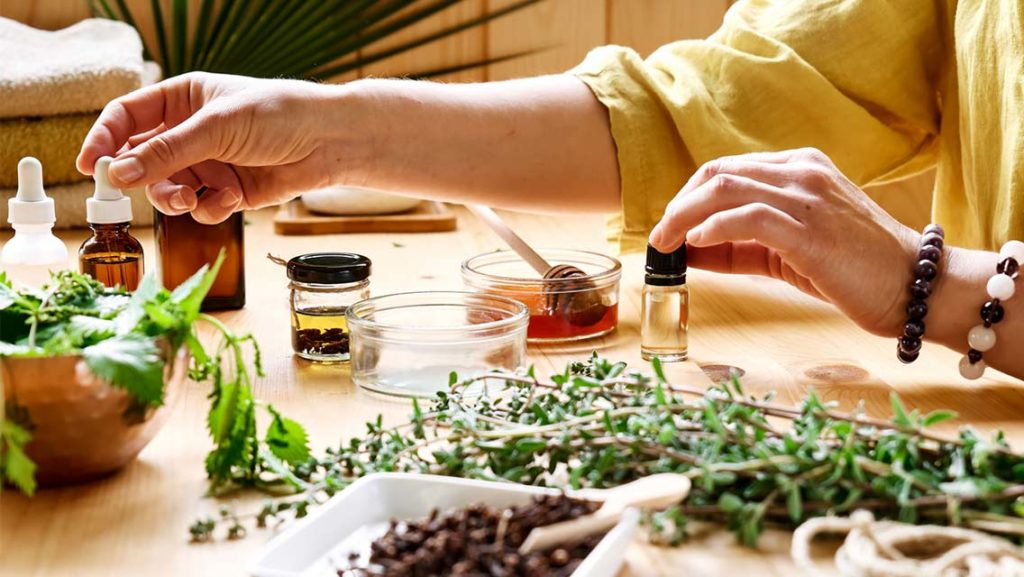
The advantages are many. First, they are cost-effective. Items like honey, turmeric, and essential oils are affordable and multifunctional, providing both nutritional and therapeutic benefits. Second, DIY remedies are customizable. Individuals can adjust ingredients based on taste, potency, or dietary restrictions, which is far more flexible than commercial products with fixed formulas.
Accessibility is another strong point. Anyone can experiment with remedies at home, making wellness more democratic and less reliant on expensive treatments or store visits. Beyond convenience, the process teaches practical knowledge about nutrition, herbs, and their effects, fostering lifelong skills that enhance overall health literacy for families and individuals alike.
What considerations matter before starting a DIY home remedy routine?
Safety is critical. Even natural ingredients can trigger allergies or interact with medications. People should research reliable sources, follow dosage recommendations, and monitor reactions. Starting with mild, well-known remedies allows for careful adjustment while observing effects. A thoughtful approach ensures that DIY wellness is beneficial, not risky, and integrates smoothly into daily life.
Consistency is also key. Remedies are most effective when used as part of a routine rather than sporadically. For example, a nightly turmeric and ginger drink may support immunity more effectively over time than occasional use. Considering frequency, ingredient quality, and preparation methods enhances results, making the effort genuinely rewarding for anyone invested in their personal wellness.
How does DIY wellness make a difference in modern daily life?
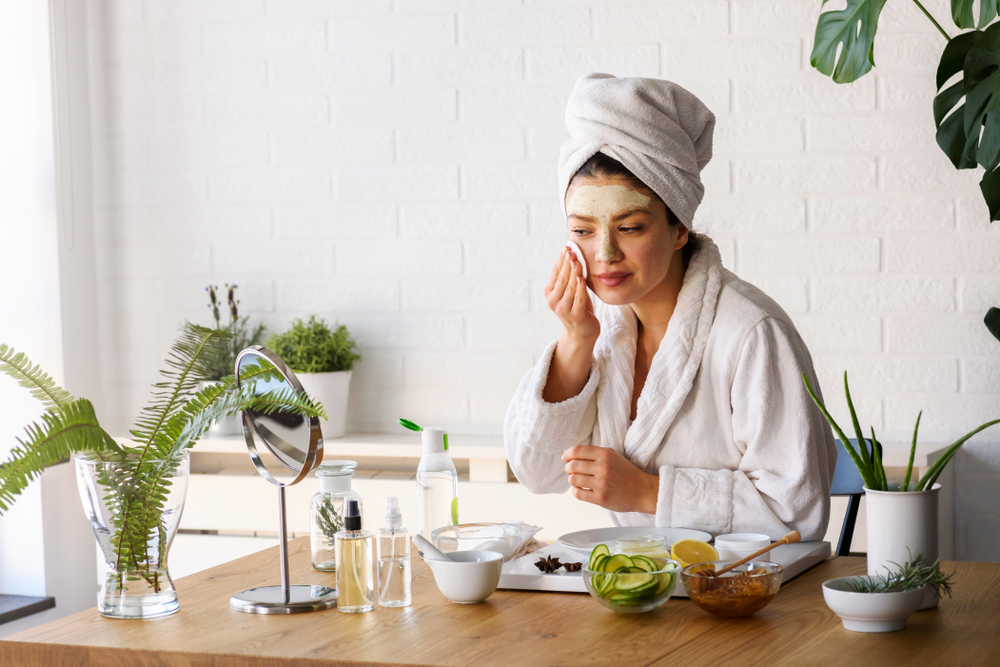
DIY home remedies transform health into an engaging, self-directed practice. They empower people to take small, meaningful actions that can reduce stress, support immunity, and improve comfort without overwhelming schedules. The practice also encourages curiosity about natural ingredients and fosters creativity in experimenting with flavors, textures, and combinations that suit individual needs and preferences.
The broader impact is psychological as well. People feel more capable, proactive, and connected to their own health journey. This empowerment can influence other areas of life, from nutrition and exercise to sleep habits, creating a ripple effect that enhances overall wellbeing. By turning simple kitchen staples into tools for health, DIY remedies bring practical, accessible, and rewarding solutions to everyday life.
DIY home remedies are more than nostalgic rituals—they are functional, mindful, and empowering tools for modern living. They provide cost-effective, adaptable, and accessible ways to support health while encouraging awareness and mindfulness in daily routines, this feels particularly relevant as people seek balance between convenience, wellness, and self-directed care, proving that sometimes the most effective solutions are right under our own roof.