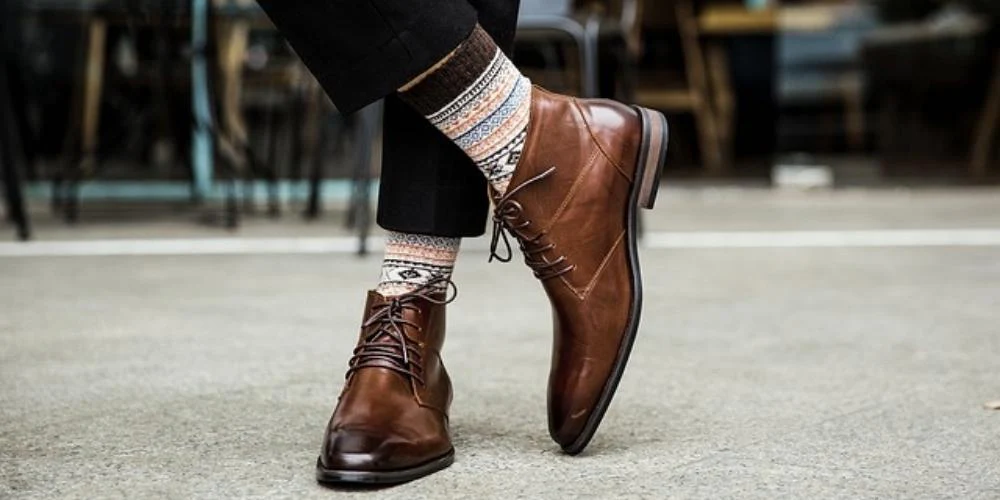
Could the Right Work Shoes Actually Transform Your Day on the Job?
For men who spend long hours on their feet, work shoes aren’t just footwear—they’re a critical part of daily performance, comfort, and safety. Modern work shoes combine advanced materials, ergonomic designs, and style, making them practical for demanding jobs without sacrificing appearance. The right pair can reduce fatigue, prevent injuries, and even improve productivity. Whether you’re in construction, healthcare, or hospitality, understanding what makes a quality work shoe is essential. Here’s a closer look at how today’s men’s work shoes enhance performance, what to consider when choosing a pair, and why investing in the right footwear is more important than ever.
Could Ergonomic Designs Actually Reduce Fatigue During Long Shifts?
Ergonomics is no longer just for office chairs—modern work shoes prioritize foot health through supportive soles, cushioned insoles, and shock-absorbing midsoles. Proper arch support helps distribute weight evenly, reducing strain on feet, knees, and lower back.
For men working 8–12-hour shifts, this support makes a noticeable difference. Foot fatigue is minimized, allowing workers to stay focused and energized throughout the day. Ergonomic designs don’t just feel better—they actively enhance performance, ensuring that tired legs don’t slow you down.
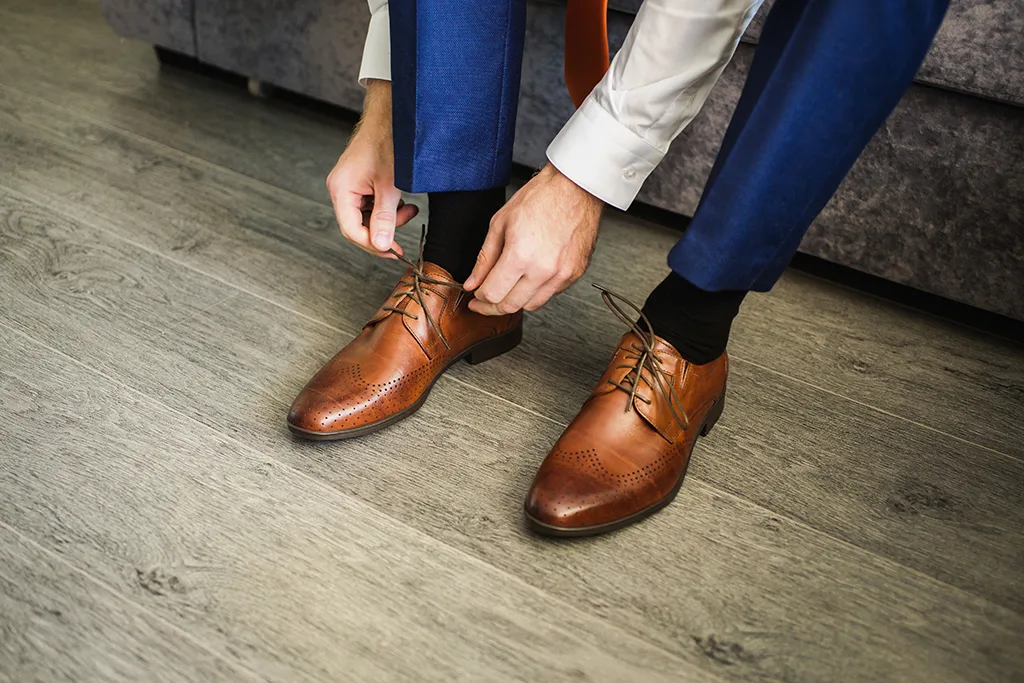
Are Slip-Resistant Soles Actually Preventing Accidents on the Job?
Slips, trips, and falls are among the most common workplace accidents, but the right work shoes can reduce risk dramatically. Slip-resistant outsoles are engineered to provide traction on wet, oily, or uneven surfaces, keeping workers steady even in challenging conditions.
Many work shoes also feature anti-static and heat-resistant soles, adding layers of safety for specialized industries like manufacturing, logistics, and kitchen work. Investing in shoes with the right traction isn’t just about comfort—it’s a proactive step toward preventing injuries that can affect health and productivity.
Could Waterproof Materials Actually Make Your Workday More Comfortable?
Exposure to wet conditions can make any workday uncomfortable and even harmful to feet. Modern work shoes use advanced waterproofing technologies that repel water while maintaining breathability.
From construction sites to outdoor maintenance jobs, waterproof shoes keep feet dry, reducing the risk of blisters, fungal infections, and cold discomfort. Combined with ergonomic design, waterproof work shoes make harsh or unpredictable conditions manageable, keeping men comfortable and focused on their tasks.
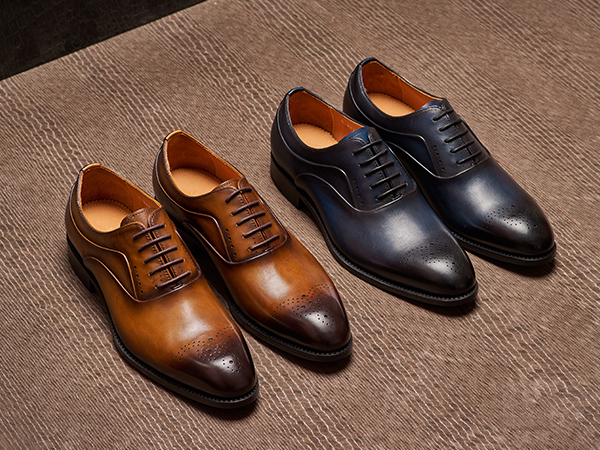
Are Steel-Toe and Protective Features Actually Worth the Investment?
Protective features such as steel toes, composite caps, and reinforced midsoles are essential in high-risk industries. These shoes safeguard feet from heavy impacts, falling objects, or sharp hazards, ensuring safety without compromising comfort.
Advanced materials allow protective shoes to be lighter, more flexible, and stylish. Men no longer have to choose between safety and mobility—modern work shoes provide both, offering peace of mind while improving daily performance on the job.
Could Breathable and Lightweight Materials Actually Improve Endurance?
Long shifts in hot or enclosed environments can be exhausting, but lightweight, breathable materials improve comfort and airflow. Shoes made with mesh fabrics, moisture-wicking linings, and ventilated soles keep feet cooler and reduce sweat buildup.
Better airflow prevents overheating and minimizes the risk of odor or fungal infections. Lightweight shoes also reduce overall leg fatigue, allowing workers to move more freely and sustain energy levels throughout the day. Breathability and weight aren’t just comfort features—they enhance overall endurance and efficiency.
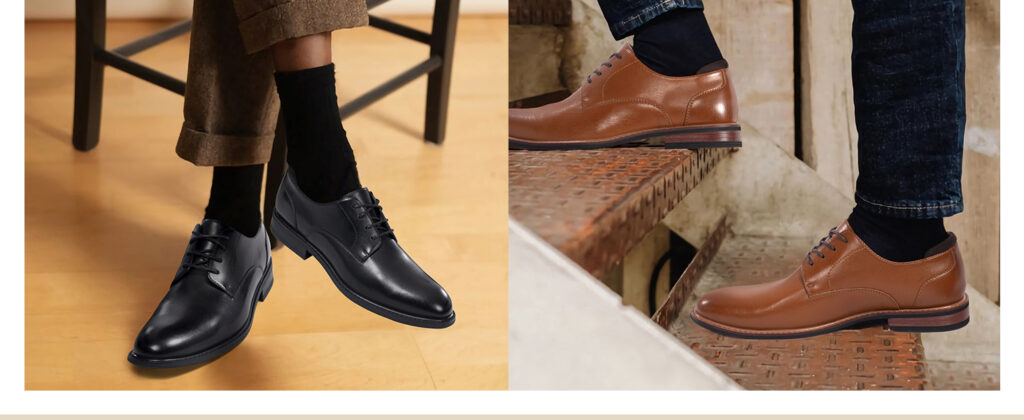
What Should You Consider Before Choosing Work Shoes?
When selecting work shoes, it’s important to balance safety, comfort, and functionality. Consider your work environment: do you need slip-resistant soles, waterproof protection, or reinforced toes? Ergonomics should also be a priority—look for cushioned insoles, supportive arches, and shock absorption.
Fit is critical. Shoes that are too tight or loose can cause blisters, fatigue, and long-term foot problems. Durability is also key; high-quality materials may cost more upfront but save money in the long run. Choosing the right shoes ensures that your footwear actively supports your health, productivity, and confidence at work every day.
Work shoes for men are no longer just functional—they’re engineered tools that protect, support, and enhance performance. From ergonomic designs and slip-resistant soles to waterproof materials, protective features, and breathable constructions, the right pair of shoes improves comfort, safety, and endurance on the job. Thoughtful choices prevent injuries, reduce fatigue, and make long shifts more manageable, proving that quality footwear is an investment in both health and productivity. For men working on their feet, selecting the right work shoes isn’t optional—it’s transformative, shaping how they move, perform, and feel throughout every workday.