Invisible Repairs Are Becoming the Smartest Home Upgrade With Fix-a-Floor
Most people notice a flooring problem only when it becomes annoying. A slight hollow sound under a tile. A small bounce when walking across a hallway. A faint crack that keeps coming back no matter how many times it is patched. These issues rarely start dramatically, but they quietly grow into bigger frustrations over time.
Traditionally, the solution meant tearing up flooring, replacing tiles, and dealing with dust, noise, and cost. But a different approach has gained traction among homeowners and DIY renovators: repair without removal. In that space, Fix-a-Floor has become known for offering a simple injection-based adhesive system designed to re-bond loose or hollow tiles without dismantling the entire floor.
The Problem Most Homeowners Don’t See at First
Loose or hollow tiles rarely look urgent at the beginning. The surface still appears intact, and the damage is often hidden underneath. But what is happening below the tile can be more significant than what is visible above it.
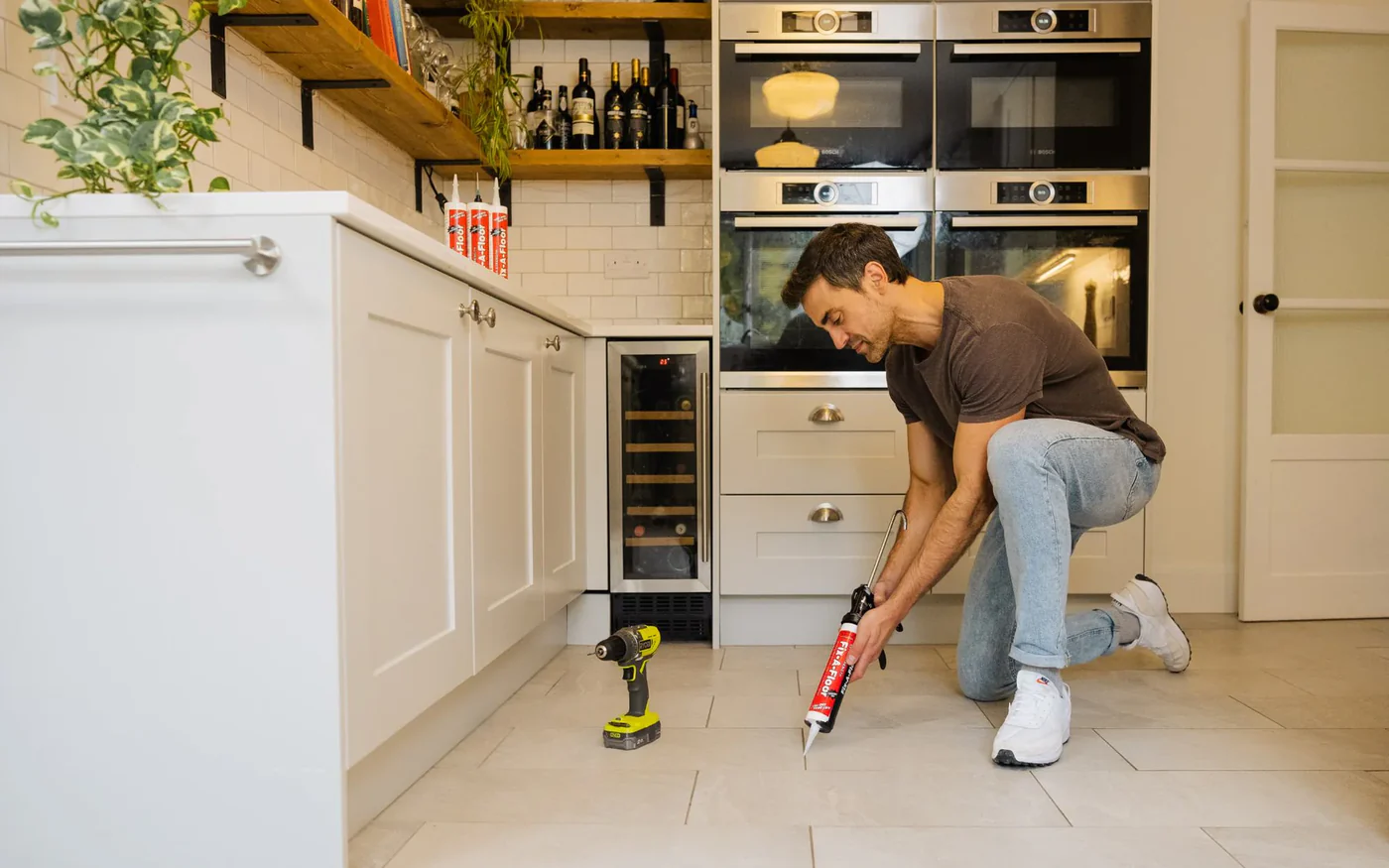
Fix-a-Floor addresses this exact issue by targeting the gap between tile and subfloor. Instead of removing tiles, the adhesive is injected through small drilled points in grout lines, allowing it to flow underneath and re-establish contact. This approach is designed to stabilize the flooring structure before further movement causes cracks or wider separation.
Why Full Tile Replacement Is No Longer the Default Option
In the past, even minor tile movement often led to full replacement work. That meant removing surrounding tiles, dealing with matching issues, and often spending far more than the actual damage required.
The appeal of Fix-a-Floor lies in its non-invasive method. By avoiding tile removal, it reduces disruption, cost, and repair time. Instead of rebuilding the floor, the focus shifts to stabilizing what already exists. For many households, especially rental properties or high-traffic areas, this makes repair more practical than renovation.
The Science Behind Injection Repair Adhesives
The concept behind injection repair is relatively simple but effective. Many tile failures are not caused by broken tiles themselves, but by voids underneath where adhesive has failed or detached over time.
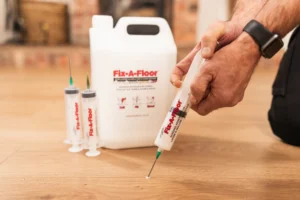
Fix-a-Floor uses a low-viscosity adhesive that is designed to flow into these voids. Once injected, it spreads beneath the tile surface, filling gaps and creating a flexible bond between the tile and subfloor. This flexibility is important because floors naturally expand, contract, and shift with temperature and daily use.
When Floors Start Talking: Early Warning Signs
Most flooring problems give subtle signals long before visible damage appears. Recognizing these early signs is key to preventing larger repairs later on.
With products like Fix-a-Floor, homeowners often respond to:
- Hollow or empty sounds when tapping tiles
- Slight movement or flex underfoot
- Cracking grout lines that keep returning
- Minor lifting edges on tiles
- Uneven pressure across tiled surfaces
Addressing these issues early can prevent more serious structural separation, which would otherwise require full tile removal and reinstallation.
Why DIY Repair Culture Is Growing Fast
Home improvement has shifted from professional-only work to accessible DIY solutions. Online tutorials, better tools, and more user-friendly materials have empowered homeowners to handle repairs themselves.
Fix-a-Floor fits directly into this culture. Its application method is designed for non-professionals: drill, inject, and allow curing time. While it still requires care and precision, it removes much of the complexity traditionally associated with flooring repair, making it achievable for confident DIY users.
The Balance Between Temporary Fix and Long-Term Stability
Not all flooring problems are created equal. Some are caused by poor installation, while others come from structural movement in the subfloor. Because of this, repair results can vary depending on the underlying issue.
Users of Fix-a-Floor often find that it performs best as a stabilizing solution rather than a complete reconstruction. In cases where the subfloor is severely damaged or uneven, injection repair may improve stability but not fully eliminate long-term movement. This distinction is important when setting expectations.
What to Consider Before Using Injection Repair Solutions
Before starting a flooring repair project, it helps to evaluate a few key factors:
- Extent of movement or damage across the floor
- Type of tile and adhesive originally used
- Condition of the subfloor beneath tiles
- Accessibility for drilling and injection
- Whether the issue is isolated or widespread
- Long-term renovation plans for the space
With Fix-a-Floor, success is often highest when the problem is localized rather than structural across the entire floor.
Why Repair-First Thinking Saves More Than Money
Beyond cost savings, repair-first thinking changes how people interact with their homes. Instead of viewing damage as a trigger for replacement, it becomes something that can often be stabilized and extended.
Fix-a-Floor represents this mindset shift clearly. It supports the idea that not every imperfection requires demolition. In many cases, restoring stability is enough to extend the life of a floor significantly, delaying or even avoiding full renovation.
Modern home care is moving toward smarter intervention rather than full replacement. As materials improve and DIY confidence grows, homeowners are increasingly choosing targeted solutions over disruptive rebuilds.
In that landscape, Fix-a-Floor reflects a practical evolution in how flooring problems are solved. Instead of treating loose tiles as the beginning of a major project, they are becoming manageable issues that can be addressed quietly, efficiently, and without tearing the home apart.