Jackery: The Portable Power That Feels Like Modern Peace of Mind
Power used to be something invisible. You plugged in, it worked, and you rarely thought about it unless there was a blackout. But that changed fast. Remote work, outdoor travel, emergency preparedness, and even everyday device overload have pushed people to rethink what “having electricity available” actually means.
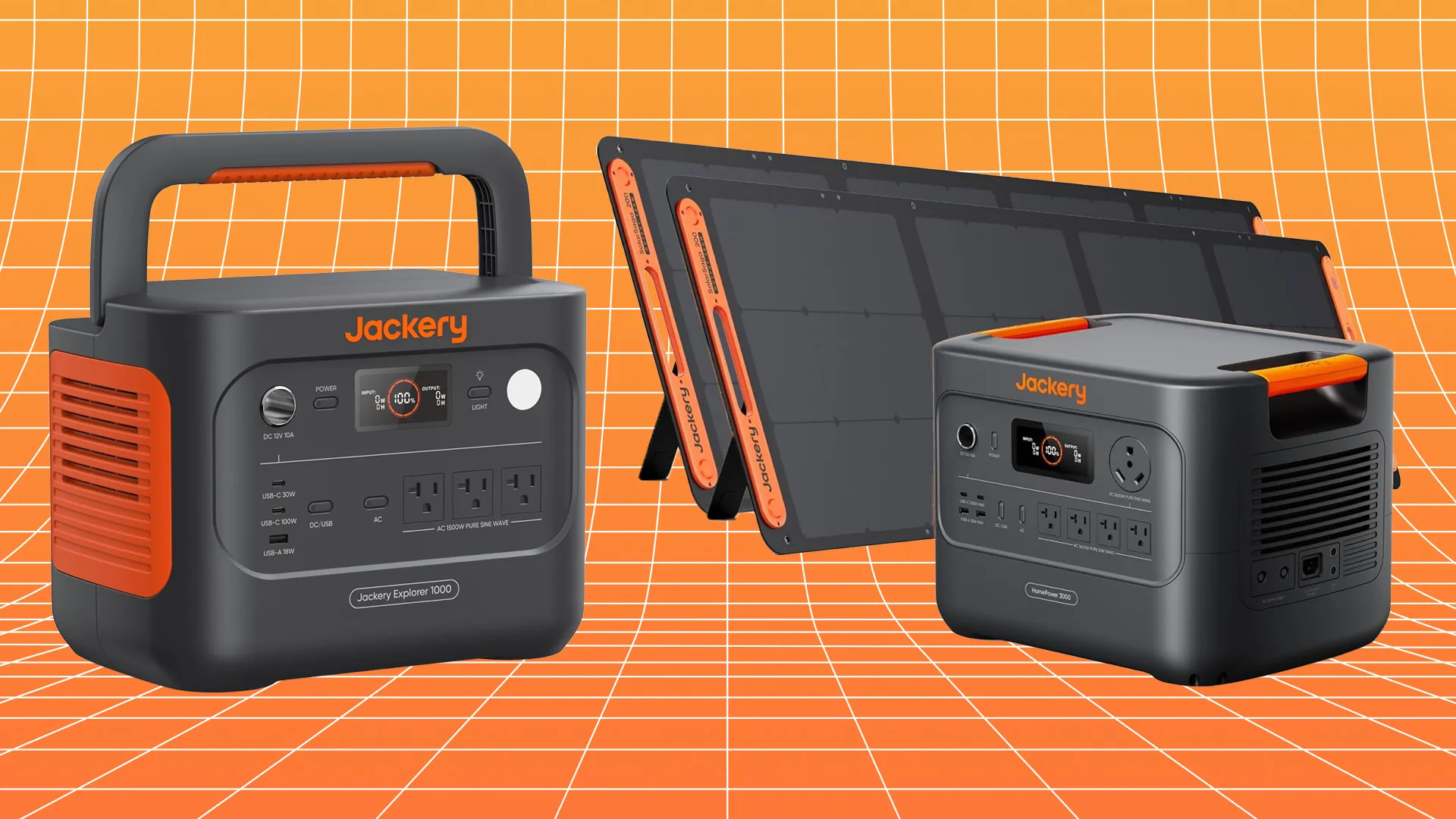
That is where Jackery has become a standout name. The brand is widely known for portable power stations and solar generators designed to store and deliver electricity on the go. Instead of relying only on fuel-based generators, it focuses on rechargeable battery systems that can be powered through wall outlets, cars, or solar panels. The result is a cleaner, quieter, and more flexible way to access energy in daily life or emergencies.
What makes it especially relevant right now is not just the product category, but the lifestyle behind it: people want control over energy, not just access to it.
Why “Backup Power” Is No Longer Just for Emergencies
For a long time, backup generators were associated with rare situations like storms or extended outages. Today, the idea has expanded. People use portable power for camping, remote work setups, travel, outdoor events, and even as part of home energy planning.
Jackery fits into this shift by offering portable stations that can power everyday electronics like phones, laptops, fans, small appliances, and even some home essentials depending on capacity. These systems typically include AC outlets, USB ports, and DC outputs, making them surprisingly versatile for both indoor and outdoor use.
What’s interesting is how “backup power” has become a lifestyle category. It is no longer just about surviving outages, but about extending comfort into places where traditional electricity access is limited or inconvenient.
The Rise of Solar Charging as a Practical Energy Habit
One of the biggest changes in consumer energy behavior is the growing acceptance of solar charging. What used to feel experimental or niche is now becoming more mainstream, especially for people who spend time outdoors or want more independence from the grid.
Jackery is strongly associated with solar integration through its portable solar panels, often paired with its power stations to create a “solar generator” setup. These systems allow users to recharge using sunlight, reducing reliance on wall charging and making off-grid use more practical.
This matters because it changes how people think about energy consumption. Instead of only “using power,” users can also “replenish power” in real time. That mindset shift is small but important, especially for camping, travel, and emergency readiness.
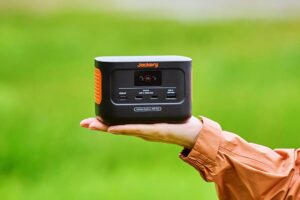
Why Portability Matters More Than Raw Power Alone
When people compare power stations, the instinct is often to focus only on capacity. But real-world use is more about movement, weight, and convenience. A powerful device that is too heavy or complicated often ends up being used less.
Jackery products are designed around portability, with integrated handles, compact builds, and lithium battery systems that balance output with mobility.
This is especially relevant for outdoor users, RV travelers, and people who want emergency power that can actually be moved easily around a home. The value is not just in how much energy it stores, but how quickly it can be deployed when needed. In real situations, convenience often matters more than maximum capacity.
The Quiet Appeal of Clean, Noise-Free Power
Traditional generators are powerful, but they come with noise, fumes, and maintenance requirements. That makes them less practical for indoor use or quiet environments. This is where battery-based systems have changed expectations.
Jackery power stations operate silently and produce no direct emissions, making them suitable for indoor use, camping, or nighttime backup situations where noise would be disruptive.
This quiet operation is more important than it first appears. It changes the emotional experience of using backup power. Instead of a loud mechanical interruption, energy becomes something that blends into the environment. That makes it easier to use in everyday life, not just emergencies.
Why Durability and Battery Lifespan Are Now Central Buying Factors
Portable power used to be seen as short-term tech. Now it is treated more like infrastructure. People expect longer lifespans, better cycle durability, and stable performance over years of use.
Jackery systems are often built with lithium-based battery technology designed for repeated charging cycles and long-term standby use. Some models are engineered for thousands of cycles and can retain charge for extended periods when stored properly.
This shift is important because it reframes portable power from a “nice-to-have gadget” into a long-term investment. Users are no longer just thinking about immediate needs, but about reliability across seasons, travel plans, and unexpected disruptions.
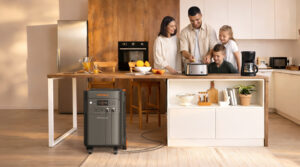
The Growing Link Between Outdoor Lifestyle and Energy Independence
Camping, van life, remote work travel, and outdoor recreation have all expanded in recent years. These lifestyles rely heavily on portable energy for comfort and practicality, from charging devices to running small appliances.
Jackery has become closely associated with this movement because it offers a middle ground between full off-grid systems and basic portable chargers. It provides enough capacity to support real use cases without requiring complex installation or technical knowledge.
This accessibility is key. It allows more people to experiment with off-grid living in a controlled, low-risk way, without fully committing to permanent infrastructure changes.
Why Portable Energy Is Quietly Becoming a Modern Essential
The bigger story behind products like Jackery is not just technology. It is how people are redefining independence in daily life. Energy is no longer something assumed to be always available. It is something people want to carry, store, and control on their own terms.
Whether it is for travel, emergencies, remote work, or simply peace of mind at home, portable power is becoming part of how people prepare for uncertainty while staying flexible in how they live. And that is the real shift. Not just having power, but having it wherever life happens.