Le Col Turning Performance Gear into a Lifestyle Choice: When Cycling Becomes a Tech-Driven Fashion Game
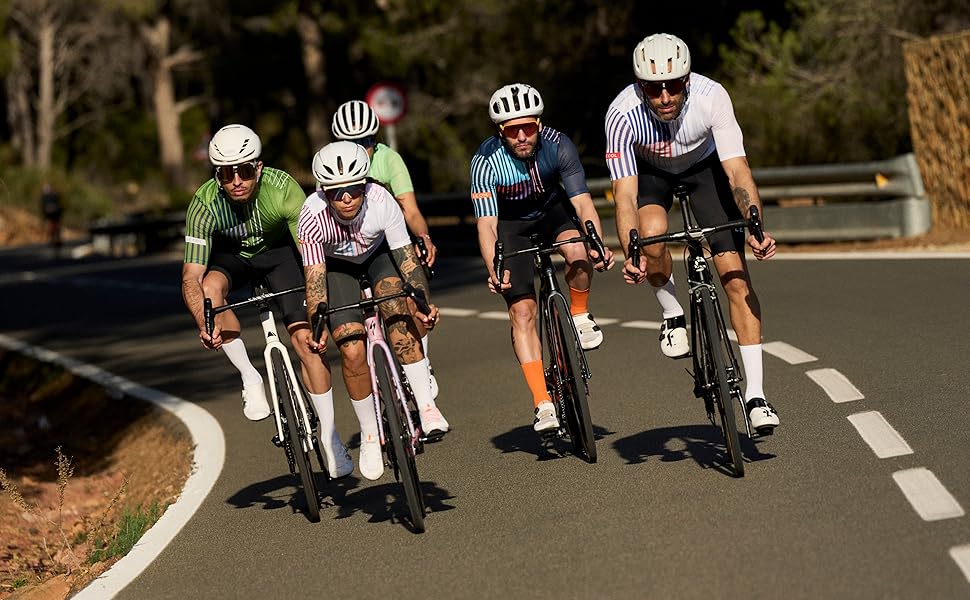
Cycling used to be simple. You wore whatever was comfortable, got on your bike, and rode. But over the last decade, cycling has quietly transformed into something much more layered. It is now a mix of sport, performance science, fashion identity, and lifestyle culture. What you wear on the bike is no longer just about comfort, it is about aerodynamics, identity, and even belonging to a certain riding culture.
That is where Le Col has carved out its space. Built from a performance-first mindset, the brand sits in the intersection between pro-level cycling gear and everyday riders who want that same feeling of precision and quality. It is not just about looking like a cyclist anymore. It is about feeling like you are equipped for the ride in a more intentional way.
At a time when cycling participation has grown globally and riders are more informed than ever, gear has become part of the experience itself.
Cycling stopped being just a hobby and became a performance lifestyle
One of the biggest shifts in cycling culture is how seriously people now take their gear. Riders are no longer just going for casual weekend spins. Many are training, joining clubs, tracking data, and treating cycling like a structured performance activity.
Le Col fits into this shift because its products are built around performance details that matter when intensity increases. Fit, aerodynamics, breathability, and temperature control are not marketing words in this category, they are practical requirements for people riding longer and harder.
Modern cyclists often look for:
- aerodynamic jersey cuts for speed efficiency
- breathable fabrics for long climbs and summer heat
- thermal protection for winter training
- stable bib shorts for endurance rides
- gear that performs consistently over time
This change reflects a broader trend: cycling is now part of lifestyle identity, not just recreation.
The rise of “pro-inspired” gear among everyday riders
A major trend in cycling is the influence of professional racing on consumer gear. Even people who never race professionally still want the feeling of pro-level equipment. That has pushed brands to design apparel that looks and performs closer to what elite cyclists wear.
Le Col is strongly connected to this idea, with its performance-focused design language and race-inspired fit. The clothing is structured, close-fitting, and engineered to reduce drag while still being wearable for club rides and endurance events.
This matters because riders now care about:
- how kit performs at higher speeds
- how it feels during long endurance sessions
- how stable pockets and seams are under movement
- how fabric behaves in changing weather
- how “fast” the kit feels psychologically
Cycling apparel is no longer just clothing. It is part of how riders prepare mentally for performance.
Fabric technology became just as important as the bike itself
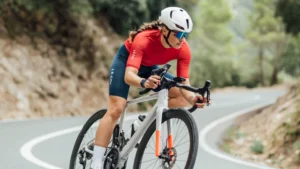
In modern cycling, the bike is only half the equation. Clothing has become a performance tool in its own right. Breathable mesh panels, moisture-wicking textiles, compression fabrics, and wind-resistant layers all contribute to overall ride efficiency.
Le Colis known in the cycling space for focusing heavily on technical fabric development and structured garment design. Reviews and rider feedback often highlight comfort, fit, and performance across different riding conditions, especially in jerseys and bib shorts designed for endurance use.
Key performance priorities in modern cycling apparel include:
- heat regulation during climbs and summer rides
- wind resistance on open roads
- moisture control during intense efforts
- long-distance comfort in the saddle
- durability under repeated use
This level of detail shows how cycling apparel has evolved into something closer to sports engineering than traditional fashion.
The cycling community expects both performance and consistency
Cyclists are among the most detail-focused consumers in sportswear. Small differences in stitching, fit, or material quality can significantly impact comfort over long rides. Because of this, consistency matters just as much as innovation.
Le Col operates in a space where expectations are high, and riders often compare gear across multiple premium brands. Many reviews highlight strong performance and comfort, but also show that consistency and customer experience can vary depending on product lines and expectations at different price points.
In cycling culture today, riders typically evaluate gear based on:
- comfort over long distances (100km+ rides)
- durability across seasons of use
- sizing accuracy between collections
- performance in mixed weather conditions
- value compared to premium competitors
This reflects how cycling has matured into a more informed and demanding consumer space.
Weather adaptability is now a core requirement for cycling apparel
Unlike many sports, cycling exposes riders directly to the environment. Wind, rain, temperature shifts, and humidity all affect performance. That means clothing has to adapt quickly and reliably.
Le Col offers seasonal layering systems that reflect this reality, from lightweight summer jerseys to insulated winter jackets and wind-resistant gilets. This modular approach allows riders to adjust gear depending on conditions without changing their entire setup.
Modern cycling gear is expected to handle:
- sudden weather changes mid-ride
- temperature differences between climbs and descents
- wet conditions without excessive weight gain
- breathability during high effort
- compact layering for long-distance rides
This adaptability is part of why cycling apparel has become more technical and specialized over time.
Cycling style became part of identity, not just function
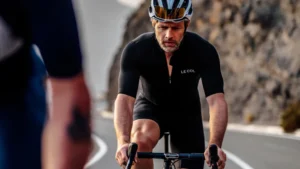
One of the most interesting cultural shifts in cycling is how important appearance has become. Riders now think about how they look on the bike almost as much as how they perform. Group rides, cycling clubs, and social media have all contributed to this change.
Le Col reflects this balance between performance and visual identity. The clean, structured designs and race-inspired silhouettes appeal to riders who want a sharp, professional look while still maintaining technical function.
Today’s cycling style priorities include:
- coordinated kit aesthetics within groups
- clean, minimal branding
- sharp, performance-focused silhouettes
- photo-ready outfits for rides and events
- gear that feels premium in both look and feel
Cycling apparel has become part of how riders express themselves within the sport.
Why performance cycling gear keeps evolving with rider expectations
Cycling is no longer static. It is a constantly evolving mix of sport science, lifestyle habits, and design innovation. As more people enter the sport, expectations continue to rise, especially around comfort, durability, and performance across conditions.
Le Col sits in the middle of that evolution, representing a category where apparel is not just worn but actively used as part of performance strategy. Riders are no longer just buying clothing. They are investing in how they experience every kilometer.
And that shift explains why cycling gear today feels less like simple sportswear and more like engineered equipment designed for real-world performance, endurance, and identity on the road.