
Freedom on the Road Comes with Fine Print: Europcar Defines Modern Travel Mobility
Car rental has always promised the same idea: pick up a car, drive wherever you want, and return it when you’re done. Simple, flexible, independent. But in today’s travel world, that simplicity often comes with layers of pricing rules, insurance decisions, and policy details that shape the experience more than the driving itself.
That is where Europcar sits in the global mobility landscape. Founded in France in 1949, Europcar is one of the largest car rental companies in Europe, operating across more than 140 countries with thousands of locations at airports, city centers, and transport hubs. It serves millions of travelers each year, from short weekend rentals to long business trips and cross-country road journeys.
What makes Europcar especially relevant is not just its size, but how it represents the modern reality of travel: mobility is easy to access, but not always simple to understand.
Why car rental became a “structured freedom” experience
Renting a car used to feel like pure freedom. Now, it is more accurately described as structured freedom—where access is easy, but the rules around usage matter just as much as the vehicle itself.
Europcar operates in this structured system with standardized booking processes, insurance tiers, mileage limits, and return conditions that vary by country and station. Its large European footprint makes it one of the most widely available rental options for cross-border travel.
This reflects a broader shift in travel behavior:
- Travelers expect instant access through apps and booking platforms
- Pricing is split into base rate + mandatory or optional add-ons
- Insurance choices directly affect deposits and liability
- Terms vary depending on location and local regulations
In practice, the “freedom to drive” is shaped by the framework around the rental.
Why location consistency is Europcar’s biggest advantage
One of the strongest advantages in car rental is availability. Travelers don’t just want a car—they want one where and when they land, often without delay or complicated logistics.
Europcar has built a strong European network presence, particularly in airports and major cities, making it a reliable option for travelers moving across countries or planning multi-stop itineraries. Its scale allows it to operate in both popular tourist destinations and secondary locations where smaller rental companies may not be present.
This creates practical benefits:
- Easier pickup at major airports across Europe
- Flexible one-way rentals across cities or countries
- Broad vehicle categories for different travel needs
- Strong availability during peak travel seasons
For many travelers, this consistency is the reason Europcar appears as a “default option” when booking.
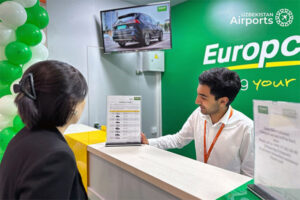
Why pricing transparency has become the most sensitive issue in car rental
If availability is the strength, pricing clarity is where the modern car rental experience becomes more complex. What looks like a simple daily rate often expands once insurance, deposits, and optional protections are added.
Europcar operates in a pricing model common to major rental companies, where base rates are separated from insurance tiers, fuel policies, and location-based surcharges, meaning the final price can differ significantly from the initial quote depending on selections made at pickup.
This structure reflects a wider industry reality:
- Low headline prices attract bookings
- Insurance upgrades are often presented at pickup counters
- Deposits vary depending on coverage level
- Final costs depend on return conditions and usage terms
The key point is not complexity itself, but how clearly it is understood before and during the rental process.
Why vehicle condition and return checks shape trust
One of the most important parts of car rental happens at the beginning and end of the journey: inspection. This includes documenting scratches, fuel levels, mileage, and overall condition.
Europcar follows standard industry procedures for vehicle inspection and return checks, where condition reports are recorded at pickup and reviewed again at drop-off to confirm the vehicle status.
This process is essential because it affects:
- Damage liability and potential charges
- Fuel and refueling fees
- Deposit release timing
- Dispute resolution processes
In practice, documentation becomes as important as the driving itself, since it defines the financial outcome of the rental.
Why customer experience varies more than expected
Car rental is a highly localized service. Even within the same brand, customer experience can vary depending on the airport, franchise operator, staff, and even peak travel demand.
Europcar operates through a combination of company-owned and franchise locations, which means service quality, wait times, and upselling practices can differ between stations despite shared branding and systems.
This leads to noticeable differences in experience:
- Some locations prioritize speed and efficiency
- Others focus heavily on upselling insurance or upgrades
- Queue times vary during peak holiday seasons
- Communication quality depends on local staff training
So the brand experience is consistent at a system level, but not always identical at ground level.

Why insurance decisions define the entire rental experience
If there is one part of car rental that shapes the entire journey, it is insurance. It influences cost, deposit size, stress level, and even how confidently travelers use the car.
Europcar offers multiple insurance and protection options, from basic coverage with higher excess liability to full protection plans that reduce or eliminate financial exposure in case of damage.
This matters because it changes behavior:
- Full coverage reduces stress during driving
- Basic coverage keeps costs low but increases risk exposure
- Deposit holds can temporarily affect travel budgets
- Counter decisions often happen under time pressure
Insurance is not just a checkbox—it is the core decision that defines how the rental feels.
Why digital booking platforms changed expectations
Today, most car rentals begin online rather than at a desk. Customers compare prices across multiple providers and expect clarity before they even arrive at the airport.
Europcar is widely listed on major travel and booking platforms, which increases visibility but also places it in direct comparison with both premium and budget competitors in real time.
This has changed expectations in several ways:
- Travelers expect “all-in” pricing upfront
- Comparison shopping is instant and constant
- Reviews heavily influence booking decisions
- Small differences in terms become more visible
The result is a more informed customer base—but also higher expectations for transparency.
Why mobility is now about systems, not just vehicles
The biggest transformation in car rental is not about cars—it is about systems. Booking platforms, insurance structures, fuel policies, and network logistics all work together to shape the final experience.
Europcar represents this shift clearly, operating as part of a global mobility system that connects airports, cities, travelers, and fleets into one structured network designed for constant movement.
And in that system, renting a car is no longer just about getting from one place to another—it is about navigating how modern mobility is organized behind the scenes.