National Trust and the Quiet Power of Preserving What Time Tries to Forget
In a world that moves faster every year, where cities expand and landscapes constantly change, there is something quietly radical about slowing down to protect the past. That is exactly the role of National Trust, one of the UK’s most influential conservation organisations, dedicated to preserving nature, history, and cultural heritage for future generations.
What makes National Trust unique is not just the scale of what it protects, but the philosophy behind it. It is not a private collection hidden away from the public. Instead, it is built on the idea that landscapes, historic houses, coastlines, and cultural landmarks belong to everyone—and should remain accessible, alive, and meaningful.
A Legacy Built on Protecting What Cannot Be Replaced
The origins of National Trust date back to 1895, when a small group of reformers recognized that historic buildings and natural landscapes were at risk of being lost to industrialisation and urban expansion. What started as a preservation movement has grown into one of Europe’s largest conservation charities.
Today, the organisation cares for hundreds of historic properties, vast stretches of coastline, countryside, and gardens. Its work is not about freezing places in time, but about keeping them alive so they can continue to be experienced, studied, and enjoyed.
This long-term vision is what sets it apart: preservation is not treated as nostalgia, but as responsibility.
Why Nature and Heritage Are Now More Connected Than Ever
Modern life has blurred the boundaries between nature conservation and cultural heritage. A historic estate is no longer just a building—it is part of an ecosystem. A coastline is not just scenery—it is a living record of geography, climate, and human interaction.
National Trust operates at this intersection. Its mission combines environmental protection with cultural storytelling, recognizing that landscapes and history are deeply intertwined.
This approach reflects a growing awareness that protecting nature also means protecting identity, memory, and place.

The Experience Economy of Heritage Spaces
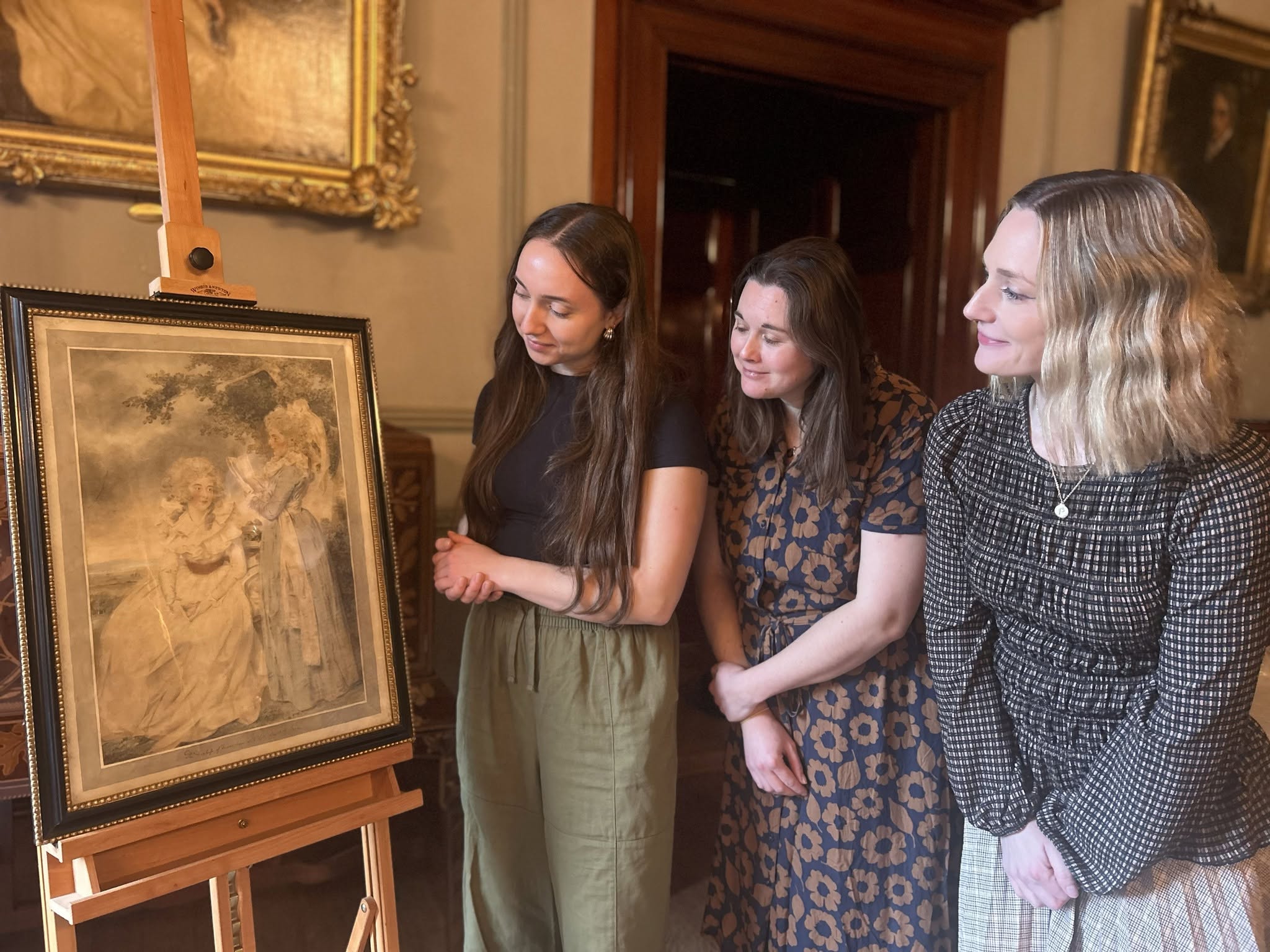
Visiting a National Trust site today is very different from traditional museum culture. It is immersive rather than passive. People walk through historic homes, explore gardens, hike coastal paths, and engage with landscapes that are actively maintained rather than frozen behind glass.
National Trust has become part of what many describe as the “experience economy”—where value is found in real-world moments rather than digital or material ownership alone.
Visitors are not just observers. They are participants in environments that carry centuries of history, layered into everyday experiences like walking, picnicking, or exploring nature trails.
Conservation as a Living, Evolving Responsibility
One of the biggest misconceptions about heritage conservation is that it is about preservation without change. In reality, organisations like National Trust constantly adapt to new challenges.
Climate change, biodiversity loss, and environmental pressures have made conservation work more complex than ever. Protecting landscapes now includes restoring habitats, planting trees, and managing ecosystems that are under increasing stress.
Recent initiatives include large-scale rewilding, woodland expansion, and biodiversity restoration projects that aim to support long-term ecological balance. Conservation is no longer just about maintenance—it is about resilience.
Access, Inclusion, and the Changing Meaning of “Heritage”
Historically, access to estates, countryside, and cultural landmarks was limited to a small portion of society. One of the core missions of National Trust today is to change that relationship.
The organisation focuses on ensuring that nature and heritage are not exclusive experiences, but shared resources. This includes expanding access, improving education programs, and making historic spaces more welcoming to diverse audiences.
Recent strategies also highlight a broader goal: connecting people who may not traditionally see heritage spaces as “for them,” and making cultural history feel relevant in modern urban and rural communities.
The Challenges of Scale in Modern Conservation
Running one of the largest conservation organisations in the world comes with significant challenges. Maintaining historic buildings, managing landscapes, and funding restoration projects requires constant balancing of resources.
National Trust relies heavily on membership, donations, and visitor income to support its work. At the same time, rising operational costs and environmental pressures make long-term planning increasingly complex.
Despite these challenges, public engagement remains strong, with millions of annual visits reflecting continued interest in nature, history, and outdoor experiences.
Why Preservation Still Matters in a Fast-Moving World
In an age defined by rapid development and digital distraction, the work of National Trust offers something grounding. It reminds people that landscapes have memory, buildings have stories, and nature has value beyond productivity or profit.
Its role is not simply to preserve the past, but to make it usable, accessible, and meaningful in the present. That balance between protection and participation is what keeps heritage alive.
Ultimately, the National Trust represents a simple but powerful idea: some things are worth holding onto—not because they are old, but because they help us understand where we stand today.