ShopTo Proving Why Gaming Stores Still Matter in a Subscription-Heavy World
Gaming has changed more in the last decade than almost any other entertainment industry. What used to be a simple trip to a store for a physical disc has become a mix of digital downloads, pre-orders, subscription libraries, and instant delivery codes. In that shift, traditional game retailers didn’t disappear—they evolved.
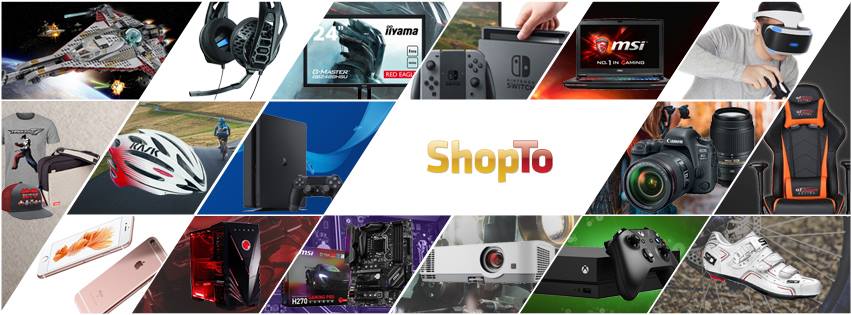
That’s where ShopTo sits in the modern gaming ecosystem. It’s a UK-based online retailer focused on video games, consoles, accessories, and digital codes, known for competitive pricing and fast dispatch, often targeting release-day delivery for physical orders and instant access for digital purchases. While platforms like PlayStation Store, Xbox, and Steam dominate distribution, retailers like ShopTo still play an important role in pricing, pre-orders, and digital key markets.
What makes this interesting is not nostalgia for physical games, but how these retailers have adapted to a digital-first gaming culture that still cares deeply about price, speed, and ownership flexibility.
Why gamers still chase “better deals” outside official stores
Digital storefronts made gaming more convenient, but they didn’t necessarily make it cheaper. Prices on official platforms tend to stay stable, especially for new releases. That created space for third-party retailers like ShopTo to remain relevant.
ShopTo has built its reputation around offering competitive pricing on both physical games and digital codes, often undercutting mainstream retailers during launches and promotions. It also supports pre-orders and discount cycles that attract cost-conscious gamers who don’t want to pay full launch price.
This matters because modern gaming habits are shaped by:
- Frequent game releases with high launch prices
- Seasonal discount hunting (sales culture)
- Subscription fatigue from multiple gaming services
- Desire for ownership rather than pure streaming access
So instead of replacing official stores, retailers like ShopTo act as an alternative pricing layer on top of the gaming ecosystem.
Why speed still defines the gaming buying experience
In gaming culture, timing matters almost as much as price. Releasing a game early or getting it on launch day can shape the entire experience, especially for multiplayer titles or highly anticipated franchises.
ShopTo built part of its identity around fast dispatch and release-day delivery for physical copies, alongside instant delivery of digital codes in many cases. This “speed-first” approach is a key reason many gamers still use dedicated retailers instead of relying only on platform stores.
The appeal comes down to expectations:
- Physical games arriving on or before release day
- Digital codes delivered quickly after purchase
- Pre-orders managed with structured dispatch systems
- Reduced waiting compared to standard retail shipping
Even in a digital world, “getting it first” still feels like part of the gaming experience.

Why digital game codes created a second gaming economy
One of the biggest shifts in gaming retail is the rise of digital keys and codes. These allow games, subscriptions, and add-ons to be sold outside official ecosystems, while still being redeemed on platforms like PlayStation Network, Xbox Live, or Steam.
ShopTo participates in this ecosystem by offering digital game codes alongside physical products. This creates a parallel marketplace where pricing competition still exists even when games are technically “digital-only.”
This secondary economy matters because it introduces:
- Price variation between official and third-party stores
- Regional pricing differences and promotions
- Flexible gifting and prepaid purchase options
- Competition that can occasionally lower consumer costs
However, it also requires users to be more aware of region compatibility, platform rules, and redemption conditions, since digital keys are tied to account systems rather than physical ownership.
Why loyalty systems and repeat buying still matter in gaming retail
Unlike one-time marketplaces, gaming retailers rely heavily on repeat customers. Gamers often buy multiple titles per year, especially during release seasons or holiday sales. That makes loyalty systems and customer retention a key part of the business model.
ShopTo has historically offered loyalty rewards, discounts, and repeat-customer benefits that encourage long-term usage rather than one-off purchases.
This is important because gaming spending is highly cyclical:
- Major releases cluster around specific months
- Seasonal sales drive bulk purchases
- Console cycles influence buying spikes
- Digital libraries expand continuously over time
Retailers that reward repeat users create a habit loop: players return not just for one game, but for ongoing deals across multiple releases.

Why customer experience in gaming retail is uneven but predictable
Like many long-running online retailers, ShopTo has a mixed reputation depending on what part of the experience is being discussed. Industry review summaries generally highlight strong pricing and fast delivery, but also occasional concerns around customer service responsiveness and issue resolution processes.
This pattern is common in high-volume gaming retailers because:
- Orders spike heavily during major game launches
- Pre-orders require strict fulfillment timing
- Digital delivery systems depend on automated processes
- Support teams often handle both physical and digital issues
In practical terms, this means the experience can feel excellent when everything runs smoothly, but more complicated when something falls outside standard workflows.
Why physical game retail still hasn’t fully disappeared
Despite the dominance of digital downloads and subscription services, physical game retail still survives—and in some cases thrives. Part of that is collector culture, but part of it is also control and resale value.
Retailers like ShopTo continue to serve audiences who still prefer discs, boxed editions, and tangible ownership. Even as digital adoption grows, physical editions remain relevant for:
- Collectors and limited editions
- Sharing or reselling games
- Offline installation or storage preferences
- Gift purchases
This dual system of physical and digital retail is what keeps companies like ShopTo relevant in a market that has largely moved online.
Gaming retail didn’t die, it specialized
The idea that digital platforms killed game retail is only partially true. What actually happened is that gaming retail evolved into a more specialized, price-driven, hybrid ecosystem.
ShopTo represents that shift clearly: part retailer, part digital key marketplace, part release-day logistics engine. It exists in the space between official platform pricing and consumer demand for flexibility, speed, and savings.
And as long as gamers continue balancing convenience with cost, there will still be room for retailers that quietly optimize both.